The Lyrids 2026 campaign has ended.
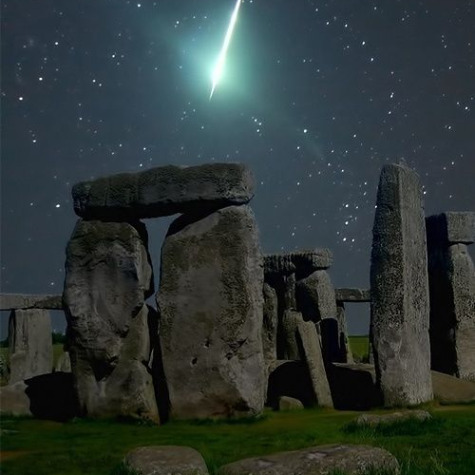
We now move on to the Arietids and zeta Perseids, the strongest daylight meteor showers of the year. First discovered at Jodrell Bank Observatory in England in 1947, these showers occur when Earth passes through dense streams of meteoroids in space. Their peaks often overlap, and the parent bodies of both showers are still unknown.
Thank you for your support!
The Team
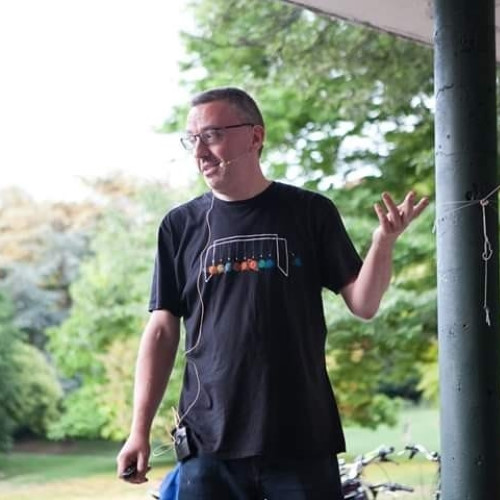
Hervé Lamy is a civil engineer and a PhD in astrophysics. He works at the Royal Belgian Institute for Space Aeronomy since 2001. He is currently working on aurora, magnetosphere-ionosphere coupling and of course meteors. He is the head of the BRAMS project.

Stijn Calders obtained an academic degree in IT/electronics engineering in 2004. He has worked as an IT engineer for more than ten years at the Royal Belgian Institute for Space Aeronomy. As an amateur astronomer, he has a great passion for meteors, which is how he ended up with the BRAMS project. He is responsible for the technical side of the Radio Meteor Zoo.
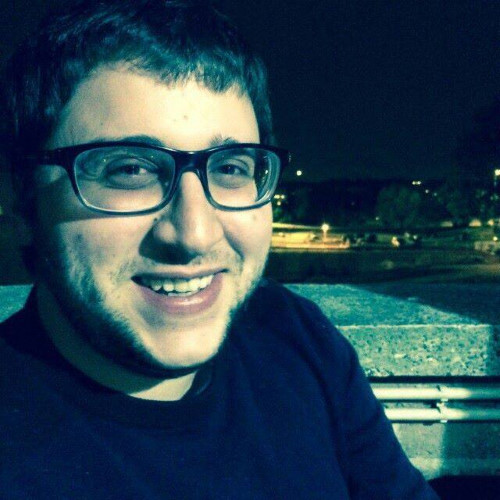
Antoine Calegaro studied computer science and obtained a bachelor degree at EPHEC Louvain-La-Neuve. He made his internship at the Royal Belgian Institute for Space Aeronomy in 2017 and officially joined the BRAMS team in 2018. He is working on the technical side of the project.
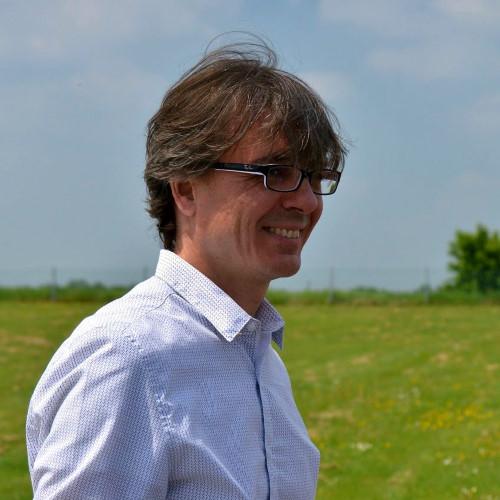
Antonio Martinez Picar is a digital telecommunications specialist with a real passion for radio-astronomy. Since 2013 he has been working as a research engineer at the Royal Observatory of Belgium in charge of the design, building, and maintenance of different solar observation systems. His interest in meteor science has led him to actively collaborate in BRAMS project at the Royal Belgian Institute for Space Aeronomy.
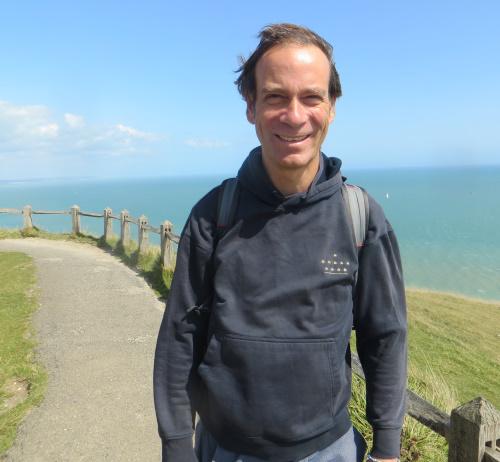
Cis Verbeeck has a PhD in mathematics. He works at the Royal Observatory of Belgium since 2009 and is currently working on solar physics, space weather and meteors. Cis is president of the International Meteor Organization and has been working on radio observation of meteors since 1989.