We are now analyzing the spectacular Perseids 2026, one of the most active meteor shower, which is produced by comet Swift-Tuttle.
Thank you for your support!
You can do real research by clicking to get started here!
Zooniverse Talk
Chat with the research team and other volunteers!
Radio Meteor Zoo Statistics
View more statsAll Time Stats
Active Stats
Active stats provide information about currently active workflows and subjects.
Message from the researcher
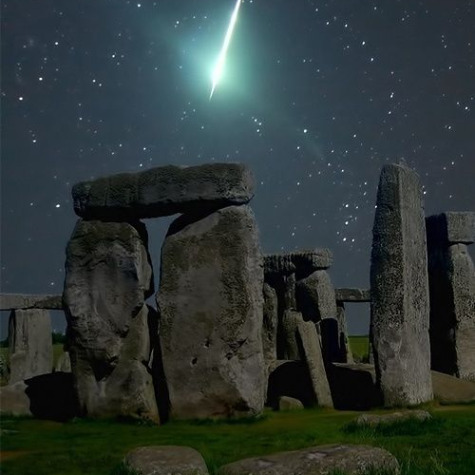
Help us identify the various complex shapes of meteor echoes in BRAMS radio data during meteor showers.
Radio Meteor ZooAbout Radio Meteor Zoo
The Radio Meteor Zoo uses images provided by BRAMS, the Belgian RAdio Meteor Stations network which uses reflection of radio waves on meteor ionized trails to detect and study the meteoroid population entering the Earth's atmosphere. The network generates a huge amount of data with tens of thousands of meteor echoes detected every day.
During meteor showers, when Earth's orbit crosses that of a comet, the meteor activity is temporarily much higher and produces a lot of complex meteor echoes in BRAMS data. To identify them, the eye remains the best detector. So we request the use of hundreds of eyes to manually identify meteor echoes during some specific meteor showers.
BRAMS is a project of the Royal Belgian Institute for Space Aeronomy (BISA) and funded by the Solar-Terrestrial Centre of Excellence (STCE).