


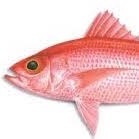
Education
Bottomfishing & Its Role in Hawaii - Traditions and Culture
Bottomfishing does not only serve an economic purpose in Hawaii, but also serves as an activity with an extensive history and rich culture that feeds into what makes Hawaii unbelievably unique and special. Thus, fish stock assessment efforts from projects such as "OceanEYEs" are not only important for improving fishery management, but are also important for maintaining the traditions that are a part of the bottomfishing culture. Another citizen science project helping to keep the spirit of bottomfishing vibrant is the "Hawaiʻi Bottomfish Heritage Project" by NOAA Pacific Islands Fisheries Science Center (PIFSC), which collected bottomfishing stories from fishermen through oral history interviews in hopes of preserving the rich history and culture of bottomfishing in Hawaii. The rest of this page will include stories and experiences that were gathered through the "Hawaiʻi Bottomfish Heritage Project" and will hopefully give you a glimpse into the cultural importance of bottomfishing to Hawaii.
Bottomfishing - An Ancient History
Bottomfishing in Hawaii is a tradition that started in ancient times. Ancient Hawaiians would target and capture bottomfish by using fishing canoes and would use stones to drop bait and hooks (example shown in the image below) down to the great depths of the ocean. This tradition has extended to the present day and modern fishermen use advanced technology such as GPS to help find these bottomfish. But although these modern tools aid fishermen, there is still a tremendous amount of skill and knowledge needed to bottomfish effectively.
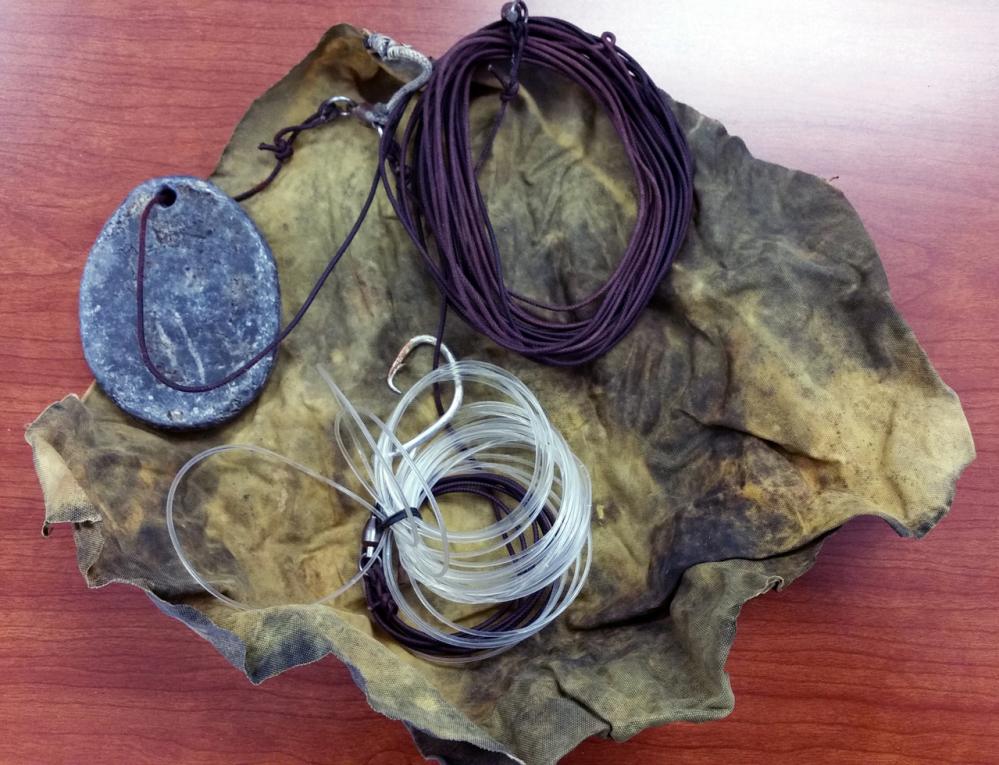
Photo credit: Sueto Matsumura
To learn more about the history of bottomfishing and the Hawaiʻi Bottomfish Heritage Project, check out the "Hawaiʻi Bottomfish Heritage Project" web story article "Hawaiʻi Bottomfish Heritage Project"
The Stories of Hawaii Bottomfish Fishermen
The "Hawaiʻi Bottomfish Heritage Project" collected stories told by numerous fishermen from different islands in Hawaii. One important story that the project was looking out for was how these fishermen began bottomfishing. Some fishermen stated that they had learned how to fish from their relatives (fathers/grandfathers) while others stated that they learned from mentors, many of whom had children that simply did not have any interest in bottomfishing. The methods that these people learned while bottomfishing provided them the tools they needed to provide food for their family and friends during special occasions, which plays a part in the cultural importance of this tradition.
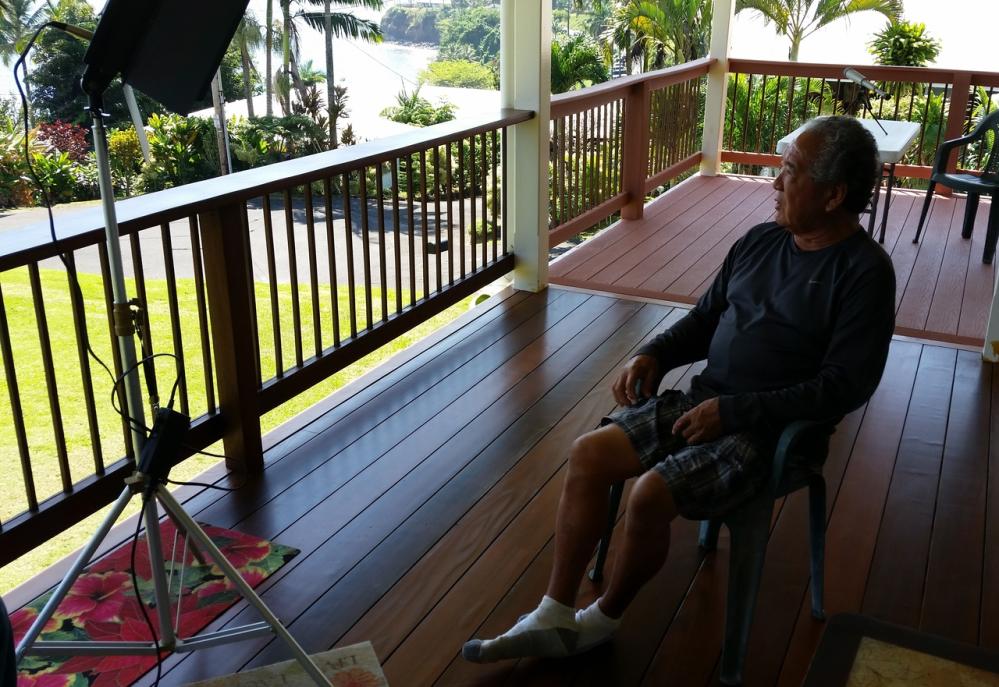
Photo credit: Adam Ayers
To learn more about the stories of Hawaii bottomfish fishermen, check out the "Hawaiʻi Bottomfish Heritage Project" web story article "Voices from the Hawaiʻi Island Bottomfishery"
Bottomfish as a Food Source
The bottomfish that Hawaii fishermen catch provide sustenance for themselves and the people around them, which in turn has helped them determine what types of bottomfish are great to eat and how to prepare them in the best way. The "Hawaiʻi Bottomfish Heritage Project" looked through a compilation of fishermen's stories that it had collected and found that many fishermen say that Onaga (Long-Tail Red Snapper) is their favorite fish to eat and is supposedly at its best when eaten raw in dishes such as sashimi. The next favorite fish to eat is Gindai (Oblique-banded Snapper) followed by Hogo (Scorpion Fish)(seen in the image below), which are usually prepared by being steamed.
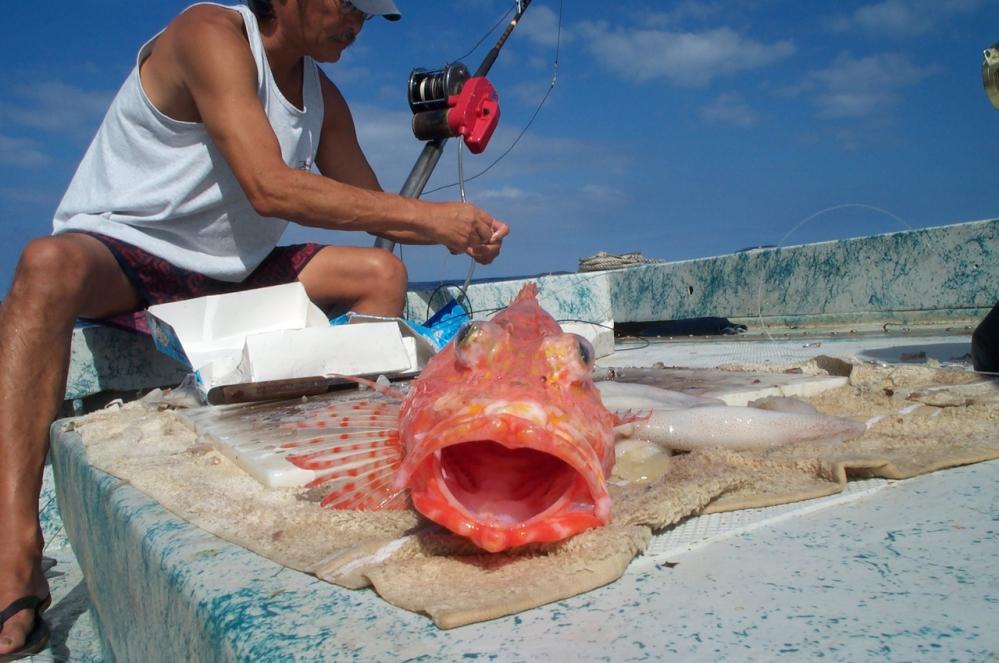
Photo credit: Kurt Kawamoto
To learn more about bottomfish and they ways they are eaten, check out the "Hawaiʻi Bottomfish Heritage Project" web story article "Hawaii's Bottomfish Fishermen Catch Their Fish, and Eat It Too"
Celebratory Traditions
Beyond providing food for consumption, Hawaii bottomfish also play a role in dishes used for special celebratory occasions. One such dish uses a decorative display known as "bonkei" and one type of fish that is used when creating this display is the bottomfish Onaga (Long-Tail Red Snapper)(seen in the image below). This dish is often prepared for celebrations such as weddings and birthdays. This tradition was brought to Hawaii by Japanese immigrants in the late 1880's, and although this tradition has since diminished in Japan, it still remains alive and well in Hawaii.
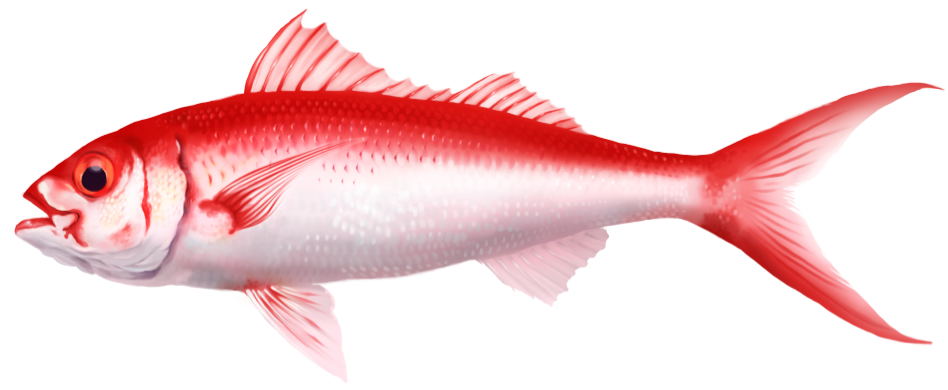
Photo credit: Amanda Dillon, Pacific Islands Fisheries Science Center
To learn more about celebratory traditions using bottomfish, check out the "Hawaiʻi Bottomfish Heritage Project" web story article "Onaga dai Bonkei, A Special Bottomfish Dish"
Additional articles from the "Hawai'i Bottomfish Heritage Project":
- "Kauaʻi Bottomfishers Face Rougher Ocean Conditions"
- "Hawaii Bottomfish Heritage Project Will be On the Air this Weekend!"