


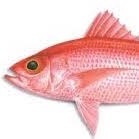
Explore the depths of the ocean to help monitor the Hawaiʻi bottomfish population!
Learn moreIn the workflow sequence “Analyzing and Annotating,” you will see images taken from deep-water camera systems and will learn how to identify and mark fish to train computer vision algorithms to count and recognize fish. In the sequence "Toggle Feature: Analyzing and Annotation", we have added a toggle tool that will provide an additional reference photo to detect movement (aka potential fish!) that has occurred between images.
Zooniverse Talk
Chat with the research team and other volunteers!
OceanEYEs Statistics
View more statsAll Time Stats
Active Stats
Active stats provide information about currently active workflows and subjects.
Message from the researcher
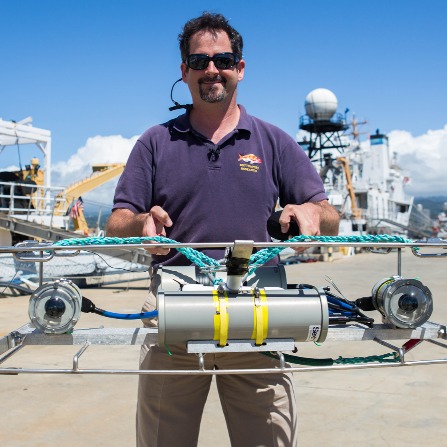
Our cameras have given us more images than we alone can analyze. We need your help to count the fish so these pictures can be used to support sustainable fisheries.
Dr. Benjamin RichardsAbout OceanEYEs
NOAA scientists need your help to count fish and improve data used in management of the Hawaiʻi “Deep 7” bottomfish fishery! NOAA's Pacific Islands Fisheries Science Center deploys stereo-camera systems on the seafloor to help monitor populations of deep-water snappers and groupers. The local commercial fishery in Hawaiʻi targets these fish primarily. Each camera can record tens of thousands of images! Human observers annotate the images to count and measure each species. This can take months using only a small team of researchers. With your help, we can speed up the work and train machine vision algorithms to improve our analysis. This will make us one step closer to improving fish stock assessments, which are used by fishery managers!