


Finished! Looks like this project is out of data at the moment!
After 2 incredible years, Get to Know Medieval Londoners is finally complete! A huge and heartfelt thank you to everyone who worked on this project. Stay tuned for data processing updates. Check our Announcements board for a new volunteer opportunity!
Research
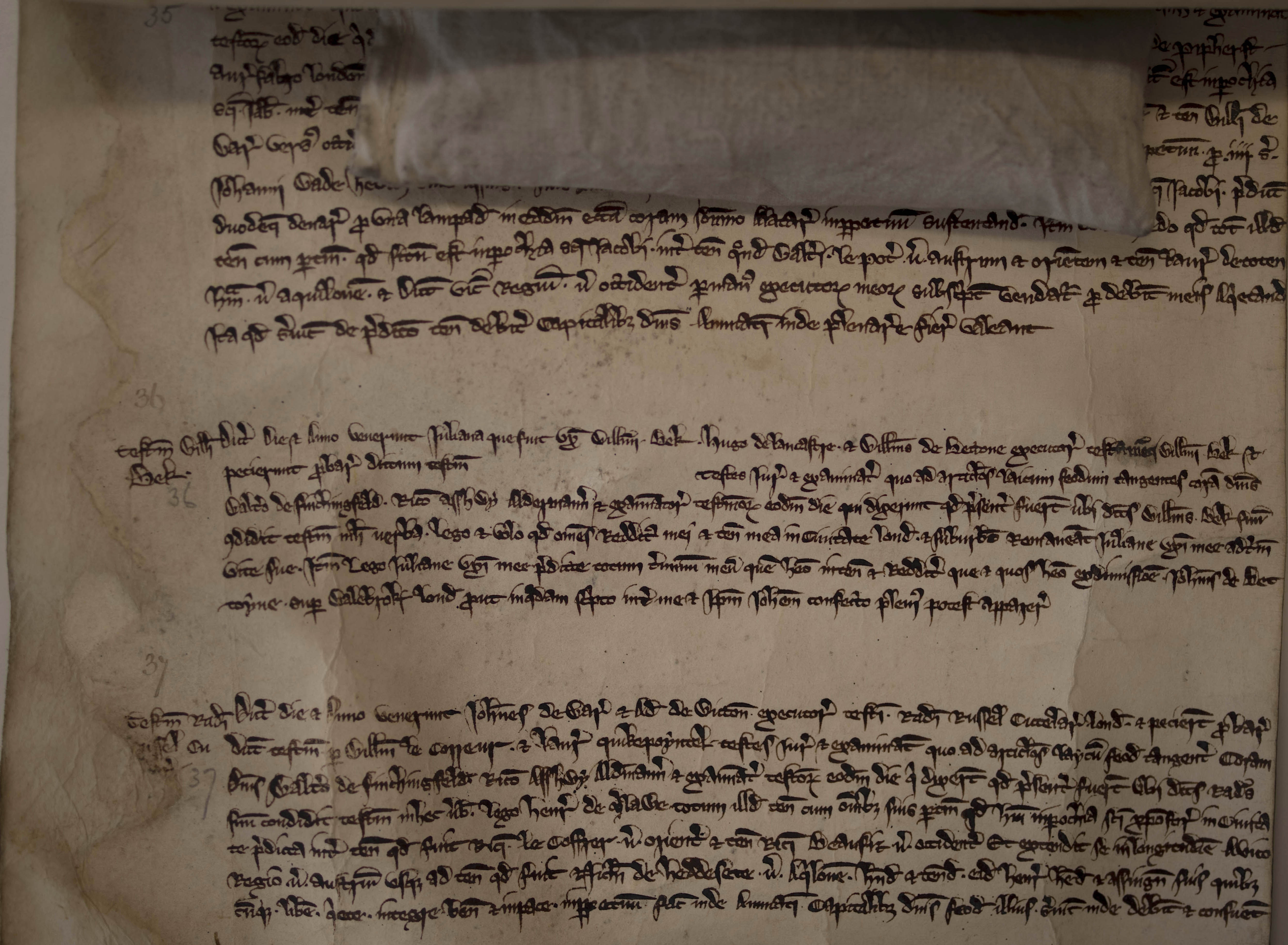
Figure 1: London Metropolitan Archives, Husting Roll 26 m.9
Our Project
The image above is a digital scan of an original medieval deed. Don't worry! We won't be asking you to transcribe anything in medieval handwriting (although, if you are able to read any of it, please let us know!). In the 1980s, researchers at the Centre for Metropolitan History in London summarized the important details of medieval property deeds onto thousands of index cards. In order to effectively use the property deeds for research, the information needs to be in a format that computers can read and that can be easily stored and sorted. That's where our volunteers come in.
Through workflows designed to extract as much information as possible from these under-used records, this project breaks medieval history down to the individual level by focusing on the people that these records allow us to see. One workflow helps to produce transcriptions of each index card that will eventually be openly accessible to researchers and the public alike. Other workflows lead participants through a series of questions in which they identify biographical details about the individuals involved in the deed, as well as the geographical information that appears. All of this information will become part of the Medieval Londoners Database, a public and searchable digital repository of people who lived, worked, and died in the city.

Introduction to Medieval London
Today, London is a bustling capital city home to more than nine million people and over three dozen skyscrapers. During the medieval period, however, the city looked much different. Most of the population, which never surpassed 100,000, lived and worked within the old Roman walls, an area covering approximately one square mile. For this reason, space in the city was at a premium. Shop owners frequently lived above their businesses in apartment-style residences that jutted out over the busy streets below. Wealthier residents occupied more spacious dwellings that often housed servants and apprentices, while the city's poor shared rented rooms or had to rely on religious charity. In many ways, the built environment of medieval London resembled that of a modern city. There was an eclectic mix of commercial and residential buildings, churches, warehouses, places to eat, sleep, and get a drink, even public bathrooms and fast food establishments.
The hustle and bustle of urban living, as well as the economic opportunities within the city, attracted people from across the English Channel in addition to the surrounding countryside. Immigrants from modern-day France, the Low Countries, and Germany brought new traditions, languages, and goods into London, solidifying its role as an international port. As the city grew in size and influence during the course of the middle ages, London's government adopted new methods to manage the constant flow of people, products, and property. One of its most powerful tools was record-keeping.
London's Property Records
The creation of distinctly administrative documents, as opposed to literary, religious, and genealogical material, increased dramatically after 1100. These records contain an incredibly wide variety of information, from who paid their taxes or broke a business contract to detailed menus for royal feasts and ceremonies. Historians who study medieval London are fortunate in that many of these documents have survived to the present, allowing an unprecedented view into the daily lives of people who lived centuries ago.
London's records concerning property have enjoyed less attention than other types, primarily because of the sheer number that survive and the presence of arcane legal terminology. However, these documents can provide insights into family connections and business networks that few other sources can offer. They show relationships between parents and children, who people trusted to manage their money, and how the city's fortunes changed over time. Head over to the Field Guide (tab on the right side of your screen) to see some typical examples and browse the glossary!