


Finished! Looks like this project is out of data at the moment!
After 2 incredible years, Get to Know Medieval Londoners is finally complete! A huge and heartfelt thank you to everyone who worked on this project. Stay tuned for data processing updates. Check our Announcements board for a new volunteer opportunity!
Transcribe extracts and collect biographical details from medieval records
Learn moreIn all of the workflows, you will see an image of an index card containing a handwritten transcription of a medieval property deed.
The tasks in each workflow cater to different skills and interests. The Transcribe workflow involves typing out text from an image. This workflow moves quickly and is ideal for fast typists and those who are good at reading handwriting. The Identify Places involves scanning the text for geographic information. If you're up for a challenge, try Identify People! This task has more steps and requires attention to detail and the ability to make connections between different parts of the text. The Bonus workflow combines all the tasks of the others, but on longer documents. Give this a try if you've got some extra time!
Zooniverse Talk
Chat with the research team and other volunteers!
Get To Know Medieval Londoners Statistics
View more statsAll Time Stats
Active Stats
Active stats provide information about currently active workflows and subjects.
Message from the researcher
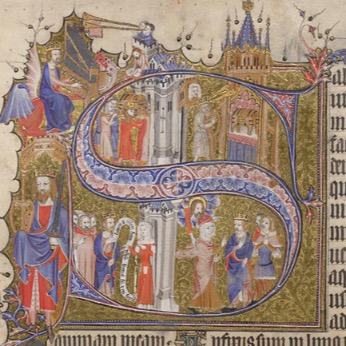
Although historically underutilized, property deeds can reveal rich details about familial relationships, inheritance practices, commercial networks, and concentrations of wealth in particular parts of London and among certain occupations.
Get To Know Medieval LondonersAbout Get To Know Medieval Londoners
Delve deep into the lives of medieval city-dwellers by working with scholars to learn more about who owned property and who they gave it to. No special skills necessary!
Volunteers will learn how to read and understand property records that survive for London from c.1230 to 1520. Not only do these records tell us where Londoners lived and give clues to their socioeconomic statuses, they also reveal intricate family relationships and demonstrate how property changed hands over time.
The aim of this project is to understand more about the people involved in the property market in the city of London by both transcribing extracts of medieval records and tagging select pieces of information in them. Your work will eventually be added to a large online database for the Medieval Londoners project, where scholars and researchers will be able to use it in their own work.