


Finished! Looks like this project is out of data at the moment!
Research
The Cradle of Humanity
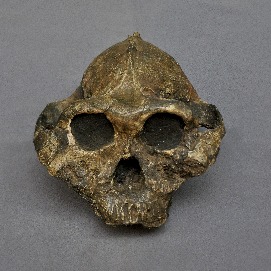
The Palaeontology Collection of National Museums of Kenya houses the natural fossil heritage of Kenya, having over 200,000 fossil specimens from more than 100 fossil sites concentrated within the Rift Valley. The collection holds three main fossil groups: Vertebrates, Invertebrates and plants, representing different geological periods, the Oligocene (33-23 million years), the Miocene (25-5 million years), the Pliocene (4-2.5 million years) and the Pleistocene (2.5-0.1 million years).
Why is this important?
Fossils can help answer the fundamental questions of ancient life, particularly the human and mammalian evolution, and they help in reconstructing the palaeoenvironments.
How can you help?
At the time of collection, fossil specimens are well documented in the field and during the process of accession. In the early days, the information of these specimens was handwritten in field slips and index cards. Cataloguing this information is a too large task for the limited number of museum personnel we have. Therefore we need your help transcribing the data into digital format. With your help, we can do it in a reasonable time and make the data into an online searchable database for researchers, students and the public.
Please help National Museums of Kenya to transcribe vertebrate fossil specimen cards into a database.