


Finished! Looks like this project is out of data at the moment!
Help National Museums of Kenya to transcribe vertebrate fossil specimen cards into a database
Learn moreCan you help us transcribe vertebrate fossil specimen cards into a database? For your convenience, we have split the tasks into more manageable workflows. We recommend that you'll begin with the Specimen Numbers. It will familiarise you with the material we have, and it also will help us to get started with the database creation. In Specimen Taxonomy, we will ask the Latin names of the specimens. It will help us to classify the fossils. Location and stratigraphy workflow will specify where the fossil came from and how old it may be. The Nature of Specimen workflow asks which bone or tooth the fossil is. This workflow requires special attention to the teeth of the upper and lower jaw. Please read the Tutorial. The Additional info workflow helps us to know, for example, the publication in which the specimen is described.
Zooniverse Talk
Chat with the research team and other volunteers!
Cradle of Humanity Statistics
View more statsAll Time Stats
Active Stats
Active stats provide information about currently active workflows and subjects.
Message from the researcher
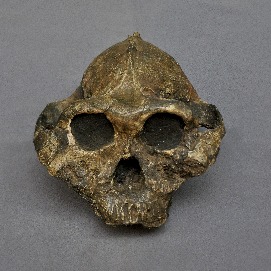
Every bone has a story to tell, a story about an individual, a time and a place millions of years old.
Cradle of HumanityAbout Cradle of Humanity
National Museums of Kenya houses over 200,000 fossil specimens from more than 100 fossil sites concentrated within the Rift Valley, including some of the best hominid specimens in the world that attracts researchers from all over the world.
All the specimens are well documented at the time of collection in the field and during the process of accession. The information of these specimens are registered in field slips and index cards, and we need your help transcribing the data into digital format.
The information these field slips and accession cards contain can help to answer the fundamental questions of human and mammalian evolution and Palaeoenvironmental reconstruction.
Can you help us find out more so we can unlock these answers?