


FAQ
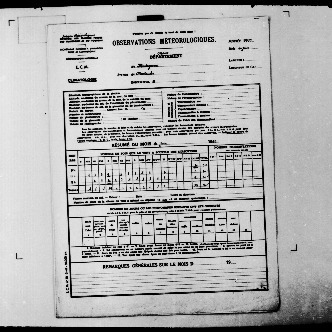
What are the forms in the images?
These images contain meteorological data that were recorded multiple times daily. The types of meteorological data will typically include temperature, rainfall, atmospheric pressure, humidity, wind speed and wind direction. These forms originated from forty-three African countries from the late 19th century to the late 20th century. The design of the forms are the same in many countries(e.g., Madagascar and Guinea).
Why is the meteorological data important?
Access to historical meteorological data is critical when analysing past extreme climatic and weather events. Sub-daily data, which is found in this collection, is vitally important when analysing weather events that lasted less than a day e.g. thunderstorms. This data will also be useful to constrain climate projections made by climate models.
Why is this important for Africa?
Unlike Europe and North America where the existence of meteorological data extends back as far as the 18th century, known data in Africa only extends as far back as the late 19th and early 20th centuries. The majority of this data also remains undigitized. This means that research on past and future climates across the African continent remains difficult. Rescuing the data from this collection will provide the information that stakeholders in Africa need to prepare for and adapt to the effects of climate change.
Why are we not digitising the data in this project?
There are numerous issues that we need to resolve before large scale digitisation can take place. Firstly we need to make sure that the station name, and dates of observation are present on each form. If any of these metadata are missing, then the recorded meteorological data will be worthless to digitise and will be put aside. (i.e. The data wont be of any use to a researcher if the location or date of observation is missing)
Secondly, the poor quality of some of the images means data may be obscured. We need to identify these images first before we present the higher quality images for digitisation in future.
I don't see my question here! Who can I talk to?
You can start a discussion about any topic with other volunteers in the FAQ and Help board in Talk or contact our team who will answer any questions you might have about the project as a whole, or specific identification issues.
How long does a workflow take?
We have calculated that each image from both workflows will take between 30 seconds to 1 minute to complete. That means that in a 10 minute period you can complete up to 20 images which is a massive contribution!
How will this project make a difference?
The work you will do in this project will help prepare the second step, where data will be digitized, and the transcribed numerical data can be shared openly. The European Union’s Copernicus Climate Change Service operates a Data Deposition Service that can take on such data, for example, and ensure they flow into climate monitoring activities.