


THANK YOU! PROJECT IS NOW PAUSED: PLEASE READ UPDATE FROM MOLA: 👉follow this link 👈
Research
Between 2018-2019,MOLAtook part in the excavations prior to the construction of the High Speed 2 (HS2) railway. The work included the excavation of a large burial ground next to Euston Station. This provided an opportunity to understand the lives and deaths of the individuals buried there.
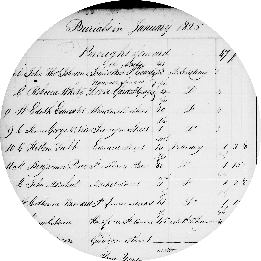
To aid our research we are looking for volunteers to transcribe the burial records associated with the site to create a searchable, digital archive. With your help we can begin to understand more about who they were and how they lived.
About the excavation
Ahead of the construction of HS2, we excavated around 40,000 burials from the site of St James’s Gardens burial ground, which lay to the west of Euston Station and south of Camden. This was the largest archaeological excavation of C18th and C19th burials ever undertaken in the UK.
The excavations have already revealed a great deal about the people buried at St James’s Gardens through their physical remains as well as their coffins and the grave goods they were buried with. This has included numerous coffin plates detailing the names of individuals buried in the Gardens, specially adapted ‘anti-resurrection’ coffins and individual objects placed in coffins that held meaning.
How old is the burial ground and why did it stop being used?
St. James’s Gardens was used as a burial ground by the Parish of St. James, Piccadilly between 1788 and 1853. The Metropolitan Burial Act of 1852 was passed to prevent burials within built up areas so the burial ground was closed and became a public garden in 1887.
About the burial records
We are fortunate that many of the burial records relating to St James’s Garden have survived. At present, the records are held at City of Westminster archives. They contain information about thousands of ordinary Londoners, their names, addresses, occupations and much more. The sheer number of records require a team to transcribe them to unlock the information that they hold. As such any information contained in them is already publicly available through both the original copies and the microfilm. Although we are increasing the profile and accessibility of the documents, we aren’t revealing anything that can’t already be searched through by anyone who wants to.
What happened to the grave markers after the site closed in 1853?
A key finding has been the fact that none of the funerary monuments were removed from the burial ground following its closure in 1853. They were simply buried by imported material (taken from other sites of Victorian London). Over 700 monuments have been identified to date, although unfortunately most were not found to be in their original location. These artefacts provide a wealth of significant biographical data about the persons buried within St James’s Gardens and are an important part of the process. Many of the gravestones reflect the nationalities and fashions at the time. Scottish memorials were carved from granite and many Welsh people paid to have ledger stones made of Welsh Slate. Very few were decorated and a number of monuments show damage corresponding with bomb damage suffered during the Second World War. The monuments have been recorded, cleaned and stored for further study.
Who carried out the work?
The work was undertaken by a skilled group of specialists including archaeologists and experts in osteology. This was led by an experienced archaeologist who ensures that human remains and burial monuments are afforded due dignity, care and respect. The archaeological work was carried out after consultation with groups including Historic England, the Archbishops’ Council of the Church of England, the local parish church and Camden Council.
What will happen to the remains?
The human remains will be reburied in consecrated ground, in accordance with our commitment to the Archbishops’ Council of the Church of England. Our archaeologists will carry out scientific analysis on a proportion of the burials, as agreed with Historic England and the Archbishops’ Council.
About our research
Excavation is always only part of the story of an archaeological investigation. By combining the burial records with the information gathered during the excavation, we have a unique opportunity to understand more about the people who lived in London at a time of incredible change. Funding for this project comes from MDjv as part of the HS2 development.