


Finished! Looks like this project is out of data at the moment!
Monitoring animal responses to forestry treatments in the Sierra Nevada mountains of California.
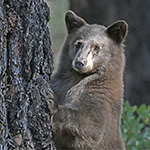
Learn moreLook at the photos and indicate whether there is an animal (or more than one) present, and what it is. Look carefully! But know that not every picture has an animal (and small animals far from the camera will be impossible to spot).
Zooniverse Talk
Chat with the research team and other volunteers!
Sagehen Mammal Quest Statistics
View more statsAll Time Stats
Active Stats
Active stats provide information about currently active workflows and subjects.
Message from the researcher
“[In 2018,] I published a paper with former Berkeley student colleagues on a 50-year study of fire recovery effects on bird populations [at Sagehen], something that could have only been done at a UC field station.” — D. Airola
Sagehen Mammal QuestAbout Sagehen Mammal Quest
Decades of fire suppression and large-tree logging in California's Sierra Nevada mountains has led to dangerous conditions that threaten the lives of humans and wildlife. Together with the US Forest Service, Pacific Southwest Research Station, The National Forest Foundation, and the Sierra Nevada Conservancy, UC Berkeley's Sagehen Creek Field Station is testing the effectiveness of ecologically designed forest treatments that help to mitigate the risk of catastrophic wildfire and promote long term solutions for a healthy and sustainable ecosystem for people and animals.
Camera trapping is one important way in which we are measuring mammal responses to these forestry treatments, which include thinning of overgrown small trees and reintroduction of healthy, low intensity fire. We need help from volunteers to assess all the images--there are too many for our staff to manage on their own!
Though we are focused on mammals, please report birds, insects and other animals, too!