


Finished! Looks like this project is out of data at the moment!
We've reached our classification goal! Thank you SO MUCH for your help!
Check out our first paper using these data, and read our blog post here.
Do watering holes concentrate wildlife and their parasites? Help us to measure how different species balance the need for water with the risks of parasitism and predation.
Learn moreYou can do real research by clicking to get started here!
Zooniverse Talk
Chat with the research team and other volunteers!
Parasite Safari Statistics
View more statsAll Time Stats
Active Stats
Active stats provide information about currently active workflows and subjects.
Message from the researcher
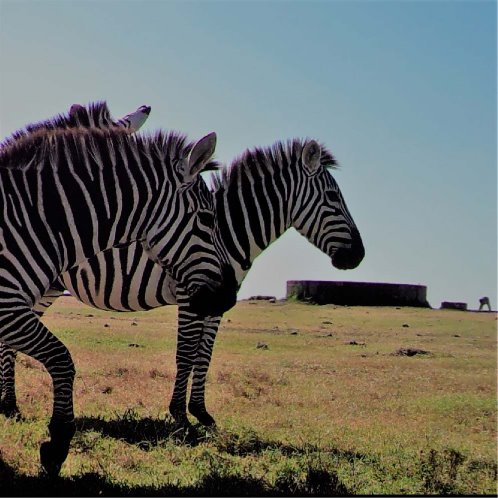
A digital safari is the best antidote to being stuck indoors! Thank you for your help!
gtitcombAbout Parasite Safari
In the East African savanna, watering holes are centers of wildlife activity, but they may also be hotspots of parasite transmission. Our work looks at watering holes across a rainfall gradient to determine how both climate and host aggregation can affect parasite transmission at these iconic oases.
As part of this research, we have deployed cameras at watering holes and control sites at Ol Pejeta Conservancy and Mpala Research Centre in Laikipia County, Kenya. For each image, we aim to determine animal species and number, in addition to water use, grazing, and interactions with other species.