



Finished! Looks like this project is out of data at the moment!
Research
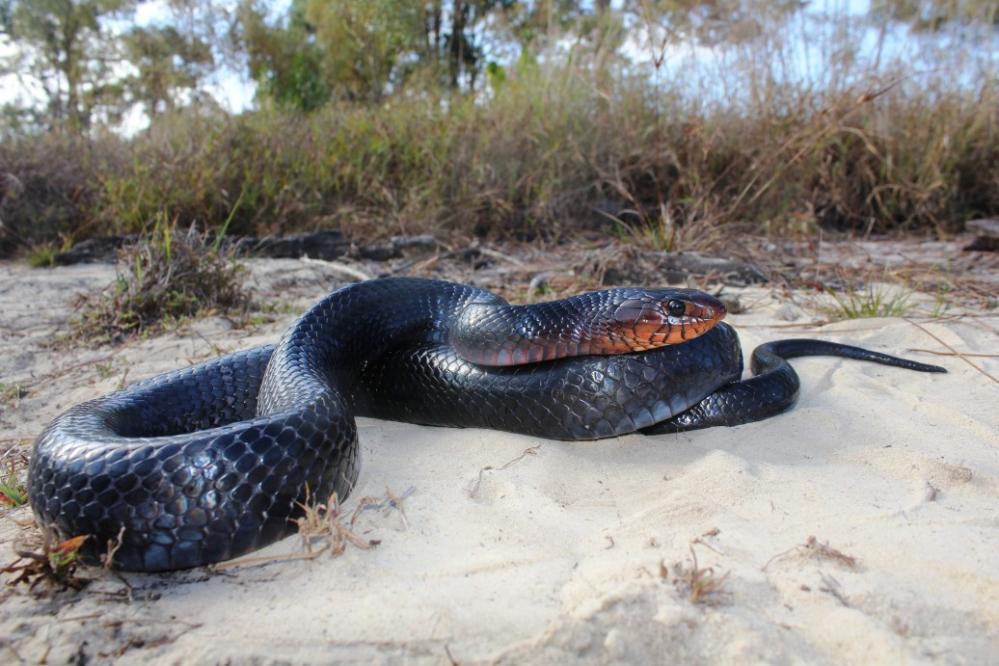
Photo courtesy of Kevin Enge, Florida Fish and Wildlife Conservation Commission
The eastern indigo snake’s elusive nature makes it a difficult species to monitor in the wild. Researchers, scientists and enthusiasts have spent many hours searching for this species just to catch a glimpse.
Named for their iridescent, dark blue sheen, eastern indigo snakes measure up as the longest snakes native to North America and are known as the "Emperor of the Forest". Reluctant to bite when captured, they eat a variety of small mammals, amphibians, and reptiles including other snakes. Eastern indigo snakes were once relatively common throughout much of the Southeastern U.S. but population numbers declined during the 20th century due to habitat loss, fragmentation and overcollection. The U.S. Fish and Wildlife Service formally listed the species as “Threatened” in 1978. They have a special relationship with another key species of the longleaf pine savanna ecosystem, the gopher tortoise. At the northern end of their range, eastern indigo snakes are one of many species which take refuge from low winter temperatures in the relative warmth of gopher tortoise burrows.
Since their decline, conservation organizations like those on this project have dedicated countless dollars and time to protect this vulnerable species. The first reintroduction attempts were made shortly after the species was first listed as threatened under the Endangered Species Act in the late 1970’s. These initial efforts were unsuccessful, but more recent work to bring the snake back to Alabama and the Florida panhandle has shown promise.
In order to gauge success, researchers must look for specific indicators that tell us how the reintroduced snakes are doing. One of those indicators is simply the presence of snakes. Our trail cameras are helping to ensure the snakes are surviving throughout the years after they are released.
Another important indicator is the presence of new snakes. Since they have been extirpated from this region, finding eastern indigo snakes that were not released as part of the reintroduction project would tell us that the animals are reproducing in the wild. Camera traps help us to detect the presence of these new snakes as well as the older animals that may have produced them.