



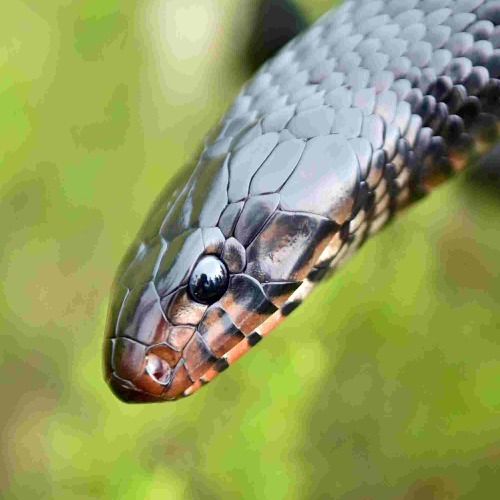
Finished! Looks like this project is out of data at the moment!
FAQ
Classification Process
What should I do if a photo does not appear in the Classifications screen?
Sometimes photos may take a moment to load. If you are in the classifications screen and do not see a photo to classify, just wait! One will appear shortly.
Where do I mark an animal when I see one?
When you see an animal, please draw a box containing as much of the animal as is on screen, with as little of the background included as possible. The purpose of the boxes is to help researchers see where the animal is in the photo and potentially to help train an image recognition program for these kinds of camera trap setups in the future.
Is there a back button?
There is not a back button--once a photo is marked "Done", you cannot go back to reclassify it. Don't worry if you accidentally misclassify something, we send each picture to multiple people to ensure data is not lost to mistakes.
Was I sent the same picture twice?
Photos often look similar because many were taken by the same cameras facing the same small patches of ground. On the rare occasion that you are sent a photo you have already classified, you will see a banner in the top left corner of the picture like the one pictured below:
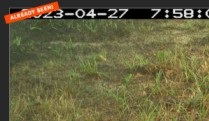
If you DO see this banner, please do not classify any more images in that dataset. We regularly upload new photos for classification, so please check back in the next few days to participate in the next round!
What do we do with the data?
Why are you monitoring eastern indigo snakes?
Eastern indigo snakes have been listed as “Threatened” under the Endangered Species Act since 1978. Their numbers have been drastically reduced due to habitat loss, fragmentation and over-collection for the pet trade. The areas of primary concern are in the western portion of their range, where the longleaf pine ecosystem has been significantly reduced, impacting the survival of hundreds of species. After decades of habitat restoration work by federal, state and non-governmental organizations, it is believed that these regions are once again inhabitable for eastern indigo snakes. Monitoring the reintroduced eastern indigo snakes is crucial in order to gauge the success of the program.
What are the non-indigo snake identifications used for?
Identifying other species that are present at our reintroduction sites helps us to evaluate the overall health of the ecosystem. Since eastern indigo snakes prey on a wide variety of animals, detecting their food source on our cameras ensures that the snakes we are releasing have an abundant prey base without depleting resources in any given area. We can also use sightings of other species for future research opportunities.
Indigo Snake Ecology
What role do eastern indigo snakes play in the ecosystem?
Eastern indigo snakes are considered an apex predator, meaning that they are a predator which are not commonly eaten by other animals. Apex predators play an outsized role in helping to keep the ecosystem balanced and functioning properly. Losing the eastern indigo snake could have serious implications to a multitude of other species.
What is the conservation status of eastern indigo snakes in the United States?
Eastern indigo snakes are listed as federally threatened under the Endangered Species Act in the United States.
How do eastern indigo snakes interact with gopher tortoises?
Eastern indigo snakes are one of the hundreds of gopher tortoise commensals. Eastern indigo snakes utilize the burrows built by gopher tortoises for shelter from temperature extremes (primarily in the winter months), inclement weather, fire and for nesting. Snakes and gopher tortoises pose no severe threat to each other and will often live within the same burrows, sometimes passing by each other when they decide to emerge.

Photo courtesy of the Florida Fish and Wildlife Conservation Commission