



Thank you all for your help on this long term ID project. I will continue to add more recordings to this project, so stay tuned!
Research
What is Heavy Metal Contamination?
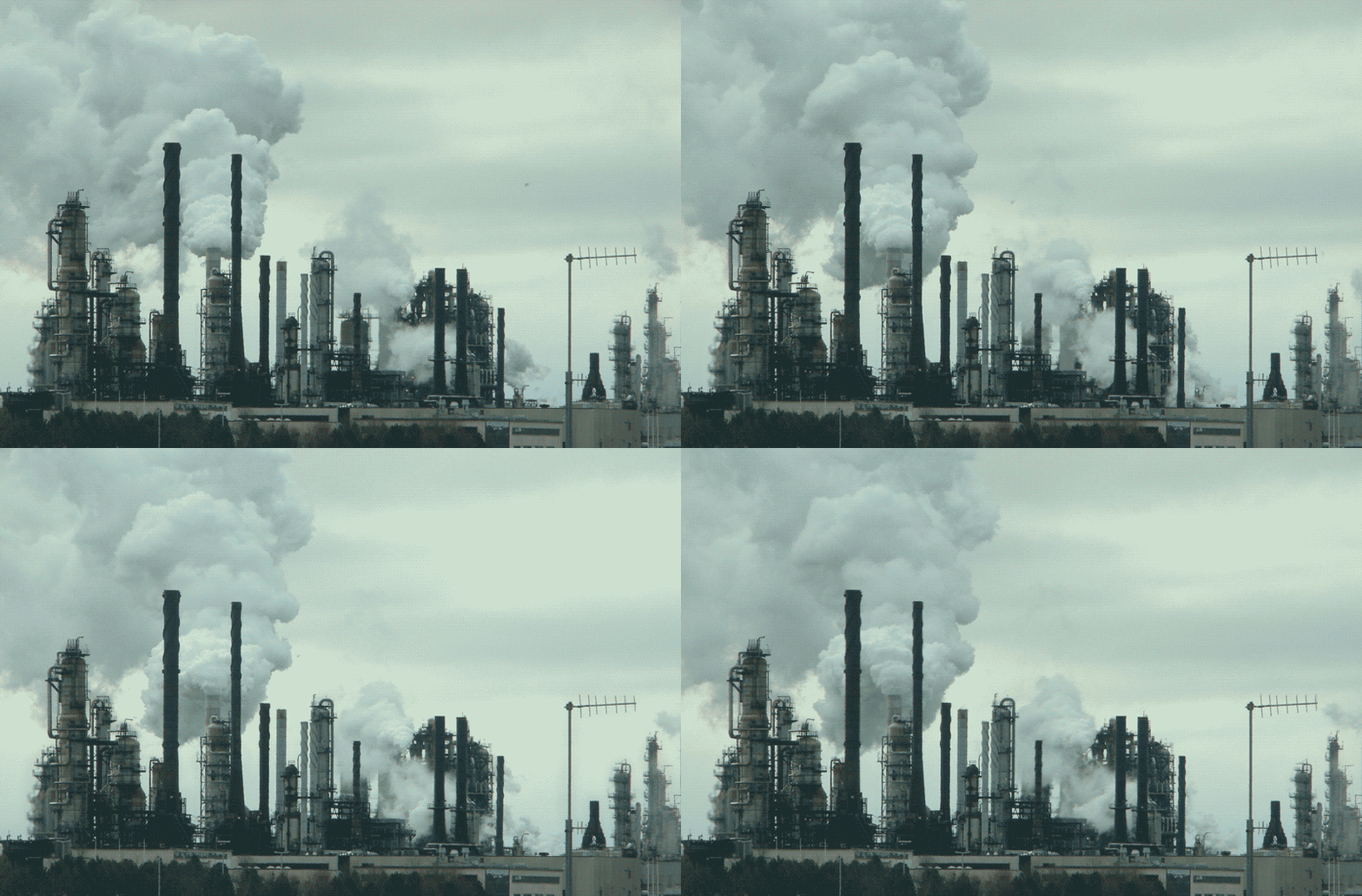
Heavy metals are high-density metallic elements that are usually toxic to organisms - even in relatively small doses. These metals can be dangerous because they can quickly build up in the tissues of organisms and cause numerous adverse health effects. Among these effects are "gastrointestinal and kidney dysfunction, nervous system disorders, skin lesions, vascular damage, immune system dysfunction, birth defects, and cancer" (Balali-Mood et al., 0001). Sources of these contaminants are industrial areas, high traffic zones, and areas with high agricultural runoff.
What can Wildlife tell us about our homes?

Urban wildlife species like bats are considered biomonitors - organisms that accumulate contaminants in their tissues. Because of this, they provide helpful information about the cities in which we live. Bats have adapted well to living in cities, and this close connection to humans means that they are in contact with many of the same pollutants that humans are. This makes them ideal to study and compare the impacts and movement of pollution in urban areas.
Research Goals
There are four main goals that will be addressed in this research project:
- To track the movement of heavy metal pollution throughout urban ecosystems.
- Examining the level of contamination in different communities to see how each one is impacted.
- Connect with citizen scientists and local organizations to understand their perspective on this issue.
- Share ecological knowledge to help foster environmental stewardship within urban communities.