


Finished! Looks like this project is out of data at the moment!
Thank you for your efforts! We've completed the classification stage for this project and will post updates as we have them. To browse other active projects that still need your classifications, please check out zooniverse.org/projects.
Help reveal the working lives of Royal Navy chronometers, tracking the people and places they encountered over more than a century
Learn moreEither transcribe general information about each chronometer, or the details about their transfers to and from different people, places and organisations
Zooniverse Talk
Chat with the research team and other volunteers!
Voyages in Time Statistics
View more statsAll Time Stats
Active Stats
Active stats provide information about currently active workflows and subjects.
Message from the researcher
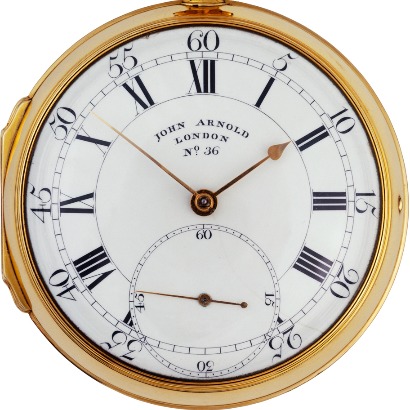
I am very excited about this project. While we know a lot about the technological development of marine chronometers, and some of their individual histories, this research will really help us understand the wider context in which they were used and help us develop new questions for future research." - Emily Akkermans, Curator of Time, Royal Museums Greenwich
Voyages in TimeAbout Voyages in Time
For nearly two centuries, the Royal Navy relied on chronometers to navigate. From 1821, they were trialled, tested and issued by the Royal Observatory, Greenwich. The Chronometer Ledgers, held by Royal Museums Greenwich, record the people, places and ships which the chronometers encountered in the course of their use and repair. To help us trace these journeys, as part of the Tools of Knowledge project (AHRC), we are asking you to transcribe the records of the moments at which the chronometers changed hands.
