


Finished! Looks like this project is out of data at the moment!
Thank you for your efforts! This project's classification effort is complete! To browse other active projects that still need your classifications, check out zooniverse.org/projects
Help researchers understand bird calling behaviour and develop automated recognisers by listening to bird vocalisations
Learn moreWe currently have four workflows where you will listen to and identify vocalisations of the Peaceful Dove, Magpie-lark, Superb fairywren and Whistling kite. The audio was recorded from 6 sites along the east coast of Australia (see about page for more information).
Zooniverse Talk
Chat with the research team and other volunteers!
BirdSong Statistics
View more statsAll Time Stats
Active Stats
Active stats provide information about currently active workflows and subjects.
Message from the researcher

Biologists have typically listened to audio manually when needing to analyse species vocalisations in recordings, but with the rise of passive acoustic monitoring this is no longer feasible. By classifying audio recordings, you will become acquainted with an array of bird calls and help us develop automated methods to monitor bird populations.
SladeAAAbout BirdSong
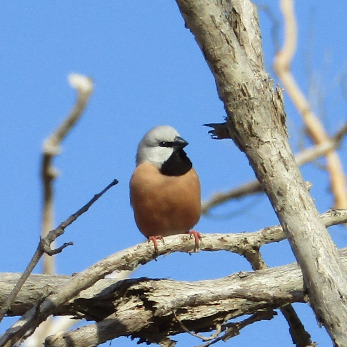
Help researchers from James Cook University develop call recognisers to monitor bird populations around Australia, including endangered and rare species such as the southern subspecies of the Black-throated Finch Poephila cincta cincta!
Passive acoustic monitoring is an excellent tool that can be used to monitor species using their vocalisations. However, with so much audio data being collected researchers need an effective way to detect individual species within the recordings. Call recognisers aid in species detection by automatically identifying vocalisations in the audio but require lots of example vocalisations to train. With your help we will develop call recognisers that can be used at over 90 locations around Australia.

Photos: Jaimie Hopkins