


Camera trap survey along the historic trail forged by the Corps of Discovery Expedition
Learn moreYou can do real research by clicking to get started here!
Zooniverse Talk
Chat with the research team and other volunteers!
Smithsonian Wildlife: Our Shared Future 250 Statistics
View more statsAll Time Stats
Active Stats
Active stats provide information about currently active workflows and subjects.
Message from the researcher
The semiquincentennial is a historic event that invites reflection on the great American experiment. It reminds us of the ideals the nation was founded on—and how we might help the country live up to them. For the Smithsonian, this will be an occasion to celebrate a new chapter and inspire the next generation of changemakers: people who will help the nation reflect on the past, meet the present moment, and look ahead to the next 250 years.
~Smithsonian Secretary Lonnie G. Bunch III

About Smithsonian Wildlife: Our Shared Future 250
As the United States of America celebrates its 250th birthday in 2026, our nation’s legacy of discovery, resilience, and exploration invites a reconnection with the natural world that has inspired generations.
America’s development as a young nation was shaped by scientific, geographic, and cultural explorations like the Corps of Discovery Expedition led by Meriwether Lewis and William Clark (1803–1806), which was charged by President Thomas Jefferson to find a westward route to the Pacific Ocean and document the plants and animals encountered along the way. These and other expeditions helped build an early understanding of the nation’s remarkable biodiversity and diverse ecosystems.
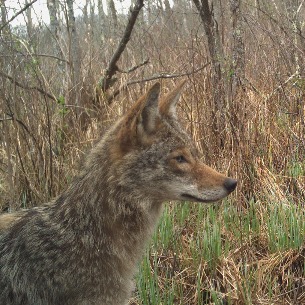
More than two centuries later, those landscapes continue to evolve. Wildlife populations have responded to changing land use, human settlement, conservation efforts, and environmental conditions. We invite you to join us as we resurvey the expedition’s trail using wildlife cameras to document modern biodiversity and explore how America’s wildlife and landscapes have changed over time.
Illustration by Nick Granhart/Smithsonian
