


Finished! Looks like this project is out of data at the moment!
FAQ
What's a Red Wolf?
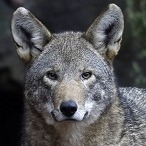
The critically endangered red wolf, Canis rufus, is one of two officially recognized species of wolves in North America. Red wolves are intermediate in size between the larger Gray Wolf (Canis lupus) and the smaller Coyote (Canis latrans). For thousands of years, long before European settlers arrived, the Red Wolf roamed as a top predator from the Atlantic and Gulf Coasts, north to southern Ontario and west to Missouri and central Texas.
By the 1920s, however, the Red Wolf had largely disappeared from most of its historic range. Indiscriminate killing, along with large-scale government predator control programs and the destruction of habitat, critically threatened the continued survival of this unique species. The few remaining Red Wolves, unable to find mates of their own species, began to interbreed with coyotes, further accelerating the Red Wolf’s decline.
Finally, only a small remnant population of red wolves remained in an area of marginal habitat in western coastal Louisiana and eastern Texas. In an effort to save the species, the U.S. Fish and Wildlife Service (USFWS) live-trapped over 400 canids and placed them in a pioneer captive breeding program. Of these 400 canids, only 14 were determined to be pure red wolves, and these 14 became the founders of the current wild and captive red wolf populations.
In 1987, four pairs of red wolves were released in the Alligator River National Wildlife Refuge in northeastern North Carolina. Under intense management by a skilled team of USFWS field biologists, red wolf numbers slowly but steadily increased, and by 2005, an estimated 130 red wolves lived in the 5 counties of the red wolf restoration region on the Albemarle Peninsula.
However, because of intense pressure from a few wolf opponents and from the North Carolina Wildlife Resources Commission, the USFWS ceased many of its successful management practices, and gunshot mortality increased as well. As a result, red wolf numbers plummeted as packs were fractured. At present (2017), fewer than 30 red wolves remain in the wild. Wolf opponents continue to publicly claim that red wolves are a threat to humans and domestic animals and that they have caused the decline of other wildlife species in the red wolf recovery region. These claims are demonstrably false. Here’s where citizen science comes in!
What's This Project About?
Citizens of all ages hold the keys to wildlife and wild lands conservation. In order to preserve and protect the red wolf, the public must advocate for this animal in a variety of ways. One major way to become actively engaged is to assist in dismantling the false claim by wolf opponents that red wolves have caused the sharp decline of other wildlife species in the 5-county red wolf recovery region.
How do we assess wildlife numbers and biodiversity? There are various strategies, but the use of motion-sensitive cameras can be an effective tool. We have learned a great deal about red wolves in the past 40 years, including how they hunt and what they eat. They prey on white-tail deer, raccoons, the invasive nutria, marsh rabbits, squirrels, and small rodents.
Do these animals, as well as others such as black bears and bobcats, thrive in healthy numbers on the Albemarle Peninsula? It is our expectation that data from this project will:
• Help give a fuller and more detailed picture of resident wildlife in red wolf country, both in terms of numbers and variety of species.
• Encourage public acceptance and tolerance for canid predators by documenting the presence of a wide range of wildlife species.
• Demonstrate that healthy numbers of a variety of wildlife species live and thrive on the Albemarle Peninsula.
• Encourage interest in the use of camera traps by private citizens to document the presence of wildlife on their own properties.
##Why Don't I See Any Wolves?##
Red Wolves are notoriously shy, and there are very few of them left. Our trap cameras occasionally do capture Red Wolves, but we find many more photos of other native wildlife in the area. As such, the cameras mainly take photos of other things, and every once in awhile, also get photos of the wolves.
##Where Is This Study Area?##
The trap cameras are placed mostly on public land in Alligator River National Wildlife Reserve in Eastern North Carolina. It is the last place in the world to find wild Red Wolves.
##How Many Red Wolves Remain in the Wild?##
We aren't sure. That's part of the aim of this project. We estimate that currently there are fewer than 50.
##Where Can I Read More About the Red Wolf Species Survival Plan?##
Here are a few links:
https://www.fws.gov/redwolf/links.html
Thanks for your interest!