


Finished! Looks like this project is out of data at the moment!
You can do real research by clicking to get started here!
Zooniverse Talk
Chat with the research team and other volunteers!
Wild Wolf Watch Statistics
View more statsAll Time Stats
Active Stats
Active stats provide information about currently active workflows and subjects.
Message from the researcher
Thanks for your patience! New photos now available, and we could use your help!
mlsmaxAbout Wild Wolf Watch
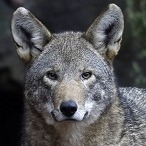
There is much we still do not know about the Eastern Red Wolf, a species so critically endangered that there may now be fewer than 40 left in the wild. The smallest species of wolf in the world was once found as far south as Florida, and as far west as Texas, but is now limited to a five-county area of public land in Eastern North Carolina. They were the first wolf species to be reintroduced back into the wild starting in the 1980s, though their population has fallen dramatically in the past few years.
If Red Wolves are going to survive in the wild, it must be with help from humans. We need to better understand the behaviors and characteristics of this famously shy and elusive species, as well as its impact on local wildlife. This project aims not only to document the remaining Red Wolves in the wild, but also to take a snapshot of their living environment to get a better idea of how they affect their habitat, and how it affects them.