


Amazing work everyone, thank you so much! More data coming soon!
Research
Skink Spotter
Our project aims to understand how wind, temperature and cloud cover interact to affect the activity of one of Aotearoa New Zealand's largest skinks - the Otago skink. To do this, we need to know when the skinks are active! But to capture activity (or not) during a wide variety of weather conditions we needed to monitor skinks for a relatively long time. We have remotely monitored a site that is home to a population of Otago skinks over several months, using time-lapse cameras taking one photo every minute. Do to the huge number of photos we now have to process we're asking for your help to spot the skinks!
Once we know the weather conditions that allow skinks to be active, we can use future climate projections to estimate how skink activity will change over the next few decades and whether this change will make them more vulnerable to extinction.
This project has been made possible through funding from the Miss E. L. Hellaby Indigenous Grasslands Research Trust, the J.S. Watson Grant (the Royal Forest and Bird Protection Society of New Zealand), and the Department of Zoology at the University of Otago. We are also grateful for the support of the New Zealand Department of Conservation and Kāti Huirapa Rūnaka ki Puketeraki (local Māori guardians).
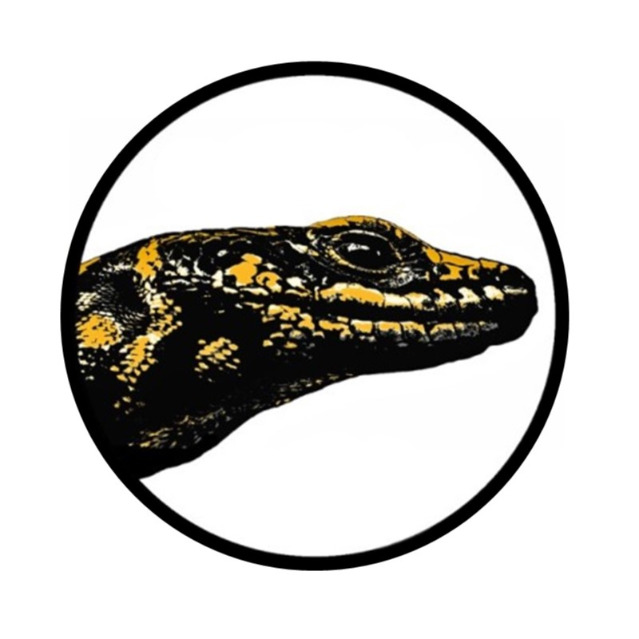
Otago skinks (Oligosoma otagense)
Our work currently focuses on the Otago skink, one of the largest lizards in New Zealand occurring in only two isolated regions of Otago in southern New Zealand. Until recently numbers of Otago skinks were in decline and the species was listed as nationally critically endangered. Recent recovery efforts, including predator-proof fenced habitats and year-round control of introduced predators such as cats, stoats and ferrets at some sites has led to stabilization of the population and the species has been downlisted to nationally endangered. However Otago skinks remain threatened and it is important that we determine how climate change will affect them to help ensure their future survival.

Climate change and skinks in New Zealand
Our broader research aims to find out how climate change will affect New Zealand's skinks. Skinks are a diverse group of lizards, with over 1500 species worldwide. For such a temperate collection of islands, New Zealand has an astounding diversity of skinks - 61 species- all of which are in the genus Oligosoma. Unfortunately many of these species are endangered as they are threatened by introduced predators and habitat loss.
The climate crisis is threatening the survival of lizards worldwide, including skinks. It's well known that lizards like to be warm, but like us they have their limits. If their body temperature becomes too warm they have to find shelter to cool down or risk overheating. If the weather is warmer more often, lizards will have to spend more time hidden away in retreats to stay cool, which means they have less time for activities such as finding food or defending territories. This is known as 'increased hours of restricted activity' and is especially relevant to lizards that live in warmer parts of the world.
In New Zealand, skinks are well adapted for cooler climates, with some species living all the way up into the mountainous alpine areas. Skinks in these areas warm up by basking in the sun, but on cloudy, windy days it's much more difficult for them to get warm and instead they'll stay hidden away under rocks. At the moment, it seems that skink activity restricted by temperatures that are too cool for activity, so how will they be affected by climate change? Will they be more active than they are now if the weather warms up in the future?
Although air temperature is predicted to increase, the number of windy and cloudy days per year are also predicted to increase. This means that skinks might be even colder than they were. We want to work out exactly how air temperature, wind and clouds work together to affect how warm skinks can get, and how often they can be active, so that we can predict how they will be affected by the weather of the future.
