


Finished! Looks like this project is out of data at the moment!
Thank you for your efforts! This project's classification effort is complete! To browse other active projects that still need your classifications, check out zooniverse.org/projects
Help us identify wildlife near trails in Jackson, Wyoming, so we can improve the area for both wildlife and people!
Learn moreYou can do real research by clicking to get started here!
Zooniverse Talk
Chat with the research team and other volunteers!
Neighbors to Nature: Cache Creek Study Statistics
View more statsAll Time Stats
Active Stats
Active stats provide information about currently active workflows and subjects.
Message from the researcher
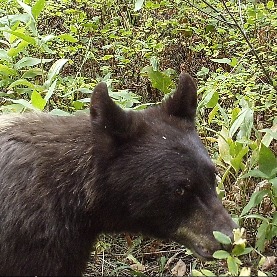
With this project, we hope to learn about the ways that wildlife and humans use the natural spaces around Jackson, Wyoming. Our work will help inform planning for improved human-wildlife coexistence.
Neighbors to Nature: Cache Creek StudyAbout Neighbors to Nature: Cache Creek Study
The goal of the Neighbors to Nature: Cache Creek Study is to use citizen science to improve management decisions in the most heavily used portion of the Cache Creek area near Jackson, Wyoming. The project is supported by a partnership between the U.S. Forest Service, Jackson Hole Wildlife Foundation, Friends of Pathways and The Nature Conservancy in Wyoming. One aspect of the study, Nature Mapping Jackson Hole, focuses on collecting data on the presence of wildlife using the observations of people using the area for recreation. To increase the effectiveness of Nature Mapping in Cache Creek, JHWF and The Nature Conservancy have placed multiple wildlife cameras throughout the study region in areas that are more difficult for our on-the-ground volunteers to visit frequently.
This is where you come in! We need you to help us comb through the thousands of images captured on our cameras and collect the data they provide. You may see grizzlies, mountain lions and wolves, so keep your eyes peeled!
The information will be analyzed by scientists at The Nature Conservancy, who are leading the research component of the project. By devoting as little or as much of your time as you like, you’ll be providing critical data to the Bridger-Teton National Forest that will benefit both people and wildlife.