


Finished! Looks like this project is out of data at the moment!
Research
Digitising Collections at Cambridge University Herbarium

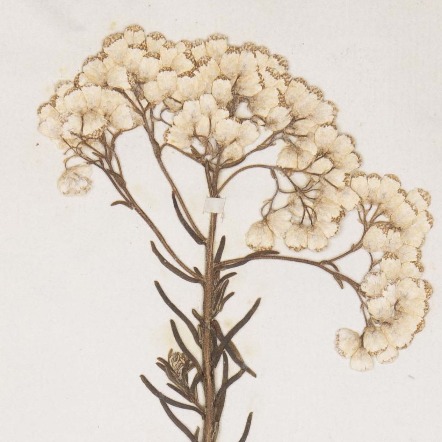
Cambridge University Herbarium is home to some 1.1 million plant specimens. Much of the collection has no digital record, yet it is a treasure trove of taxonomic, historic and ecological data waiting to be digitised and made available to researchers around the world. In this project, citizen scientists have the opportunity to transcribe data from herbarium specimen labels, and directly add to biodiversity 'big data' for research - especially research relating to our understanding of the natural world and how to conserve it.
Thanks to a grant from the Higher Education Innovation Fund (HEIF), we have the opportunity to increase our efforts to digitise the University Herbarium's collections. Recent advances in AI technology mean that we can find new ways of integrating human intelligence and machine learning to generate data about our collections more accurately and efficiently. By contributing to this project, citizen scientists will help us gather some basic data about our collections, which will allow us to generate database records that will be made available to researchers through data aggregators like the Global Biodiversity Information Facility (GBIF). By making this information more accessible, we can increase the reach of our collections and facilitate their continued use in research.
What information are we collecting?
The University Herbarium holds specimens that were collected over a span of more than 300 years, so the information that is recorded on each sheet varies widely. The oldest specimens from the early 18th century may have little more than a taxonomic name connected with them. More modern herbarium sheets contain information about whose collection the plant came from, when and where it was collected, and any changes to the determination of the plant name. Today, collectors often record detailed information about where the plant was found, including geographic coordinates that allow species to be mapped.
Our goal is to gather enough information about our collections to generate a database record for each herbarium specimen. To do this, we need to record the following basic information:
- the name of the plant
- the date of collection
- the name of the collector
- location information
This information will allow us to create records that link to images of the specimens, which can then be accessed online for researchers to use in all sorts of ways.
How will this information be used?
This framework allows us to build a database of specimen records, which will facilitate more in-depth work on selected groups. As an institution of the University of Cambridge, we work closely with professors, researchers and students studying plant science, ecology, conservation, and history. Past projects using our herbarium specimens have included:
- georeferencing the mid-20th century British collections of ecologist Oliver Rackham
- investigating the role of natural history in mediating between conflicting political agendas across the British Empire in the 18th and 19th centuries
- tracing the ancestry of European potato cultivars from the 17th century to the modern day
The results of this transcription project will facilitate future research in conservation, species identification, environmental change, global food security and history. Contributors to this project are helping us make our data more FAIR - Findable, Accessible, Interoperable and Reusable, and helping us maintain this irreplaceable record of natural history from the 18th century through today.