


Research
Each year, enormous herds of wildebeest and zebra move thousands of kilometers across the Serengeti-Mara ecosystem in what is often called “the great migration”. Numerous predators depend on these herds and follow them closely as they move. These herds have a pivotal role in maintaining the ecosystem, from supporting other biodiversity to impacting the grass growth and frequency of fires. This remarkable phenomenon is an important part of what makes this region so unique.
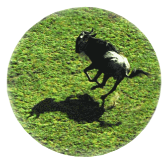
The Serengeti ecosystem wildebeest count, which normally happens every two to three years, is essential to document and monitor the health of the wildebeest herds as a way of understanding the health of the entire ecosystem. The images shown here are from the 21st count since 1957.
The timing for the count depends on the wildebeest being evenly disbursed and not hidden by trees so that all individuals can been see from by air. This normally only happens only for a few weeks each year on the short grass plains in eastern Serengeti National Park, Ngorongoro Conservation Area and Loliondo Game Controlled Area.
In addition, although the herds normally follow a general clockwise pattern across the ecosystem, the rains are not always on time and the wildebeest often zigzag back and forth in order to find the best grass, sometimes traveling hundreds of extra kilometres. While we can assume very generally when they may reach the short grass plains, it is difficult to predict exactly which days the wildebeest will be in both the right place and in the necessary distribution for counting.
When the wildebeest are adequately distributed for the count to happen, the count team fly hundreds of kilometres of carefully plotted transects over the herds. These transects were designed for statistical accuracy, and photos were taken from the plane using strict protocol.
Finally, the images are counted. Here we are using you, citizen scientists, to assist us in the counting. Each image is counted multiple times and then the tallies combined into a statistical model which is used to calculate the final population estimate.