


Finished! Looks like this project is out of data at the moment!
Thank you for your efforts! This project's classification effort is complete! To browse other active projects that still need your classifications, check out zooniverse.org/projects
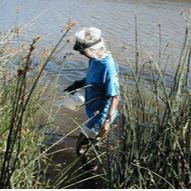
Since 1989 thousands of photos of water quality sites around the Elkhorn Slough have been collected. We now need your help to classify them so that we can better track historical changes. Photo by: Keith Ellenbogen
Learn morePick a site and answer questions. You can pick any you like and you will see one water quality site through time.
Zooniverse Talk
Chat with the research team and other volunteers!
Volunteer Water Quality Monitoring at Elkhorn Slough Statistics
View more statsAll Time Stats
Active Stats
Active stats provide information about currently active workflows and subjects.
Message from the researcher
Help protect the wiggly things!
Volunteer Water Quality Monitoring at Elkhorn SloughAbout Volunteer Water Quality Monitoring at Elkhorn Slough
Elkhorn Slough Foundation has been sampling waters in and around ELkhorn Slough for almost three and a half decades. We partner with NOAA, California Fish and Wildlife, the Central Coast Regional Water Quality Control Board, the Monterey County Consolidated Chemistry Lab and many others to not only protect the Slough today but for the future as well. Collection of the samples has been done traditionally with local community members as well as students from our local universities. Some parameters were not recorded in the early years and we need help identifying them. With these data, namely percent cover of algae, we will be able to better protect Elkhorn Slough and all its inhabitants. Algal growth in an estuarine habitat is an excellent indicator of eutrophication or excess nutrients coming into the system but also may contribute to poor water quality. Excess algae can lead to a decrease in dissolved oxygen and in some cases lead to fish kills. Has the algal growth changed through time? Have any of the management changes in the past helped reduce algal growth? What management changes can we do in the future to help reduce the effects of eutrophication and keep the system healthy.