


Finished! Looks like this project is out of data at the moment!
WOW - thank you so much to our AMAZING volunteers. This project's classification effort is complete! To browse other active projects that still need your classifications, check out zooniverse.org/projects
Identify + count insects to figure out how fish can change energy flow between habitat types
Learn moreWe currently just need your help with one workflow: "Identify Insects". In this set of tasks, you will identify and count insects stuck to a sticky card. This workflow must be done on a computer or tablet - please do not try this on your phone.
Thank you so much!
Zooniverse Talk
Chat with the research team and other volunteers!
Fly Finder Statistics
View more statsAll Time Stats
Active Stats
Active stats provide information about currently active workflows and subjects.
Message from the researcher
Measuring the subsidies coming out of these lakes is really important, but it's so hard to do with a small team.... THANK YOU Zooniverse volunteers! You are amazing 😃 it's been so fun to join in this community
car0line0About Fly Finder
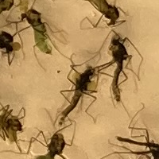
The images in this project are insects that emerge from alpine lakes and provide an important source of energy for terrestrial ecosystems along the shore.
All of our samples were collected from lakes in California's Sierra Nevada mountain range in the USA. They are essentially squares of clear flypaper that catch any flying insects trying to pass by or land on them. We placed traps around lakes both with and without introduced predatory fish (trout), at different distances 0 to 50m from the lakeshore.
We expected fewer insects to come out of the lakes with fish. The introduced trout that live in these lakes are very strong predators of insect larvae, which has had negative effects for other consumer species (birds, frogs, dragonflies, and more…). However, no one knows how changing temperatures will affect the insect populations in these lakes, or whether warming might change the impact of trout.
To answer this question, we collected our data from lakes both with and without fish that experience a range of temperatures. Information on the types and numbers of insects on these cards will help us figure out how global warming and predator introduction interact to affect the subsidies provided by alpine lakes!