


Finished! Looks like this project is out of data at the moment!
Thank you everyone for participating! We have finished the data, results to come. To browse other active projects that still need your classifications, check out zooniverse.org/projects
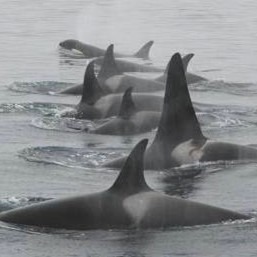
Identify and count killer whales to determine if their predation is causing Steller sea lion declines!
Learn moreHello everyone! I am doing a verification on a lot of the images. Please choose the SSL_P/A part 16 workflow for analysis (not AH_verification_SSL_gold)
Zooniverse Talk
Chat with the research team and other volunteers!
Killer Whale Count Statistics
View more statsAll Time Stats
Active Stats
Active stats provide information about currently active workflows and subjects.
Message from the researcher

Citizen science can play a key role in monitoring endangered species, such as the Steller sea lion.
alexa.hasselmanAbout Killer Whale Count
Welcome, fellow science lovers!
Killer whale count is part of a collaborative PhD project between the National Oceanic and Atmospheric Administration (NOAA) and the University of Canterbury in New Zealand.
We need your help in identifying and counting killer whales in images taken at Steller sea lion colonies around the Aleutian Islands. Steller sea lions in the western region are endangered, but more research is needed on to understand threats to their population. This project is aimed at better understanding one potential threat; killer whale predation.
