


Finished! Looks like this project is out of data at the moment!
Thank you all for your time and transcriptions. We will be back shortly with an update.
FAQ
What is the purpose of this project?
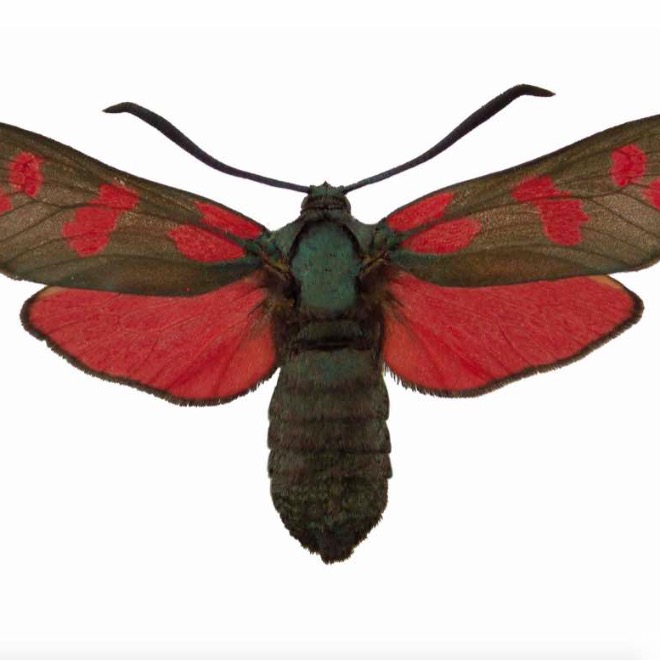
The Natural History Museum of Denmark has digitized more than 3800 specimens from our butterfly collections as a first step in an ongoing effort to open our collections to everyone. Now we reach out for your help to transcribe the labels. The ultimate goal is to make the scientific data contained within these labels readily available to researchers and decision makers around the globe.
What is the Natural History Museum of Denmark?
The Natural History Museum of Denmark is a part of University of Copenhagen, comprised of the Zoological and Geological museums, and the Botanical gardens, all in the lovely city of Copenhagen, Denmark. The museum houses Denmarks national collections of natural history, approximately 14 million specimens, spanning more than 400 years of scientific venture to study our planet and the diverse life forms it is home to.
When and where were these butterflies collected?
All butterflies and moths were collected in Denmark. Most specimens were collected between 1900 and 1980.
How can I help?
By helping us to transcribe our specimen labels, we will be able to unlock a wealth of scientific data. This will help us to make knowledge available to the widest audience possible on topics such as biodiversity, species distribution in time and space, and the impact of environmental change.
Can I magnify the label?
You can zoom in and out of the images.
Why are some labels not fully visible?
Mass digitization produced a set of two images; one for the specimen, one for the labels. These images have been stitched to show both specimen and label in one image. The process was automated and while we have been conservative in our approach to cropping the images in order to keep file size reasonable, there may be instances where information has been to close to the edge of the image. We will need to examine these manually later.
I made a mistake, can I go back and change it?
Don't worry if you've made a mistake. For validation and quality assurance, each specimen requires a minimum amount of three label transcriptions, so a single mistake won't weigh too much.
What if I can't read a label?
You can flag any labels that are difficult to read by clicking on Talk at the end of the classification. You can Hashtag them or leave a comment and we will get back to you.
What if I have a Question?
Then please join us on Talk. We may not answer immediately, but will check Talk regularly and get back to you as soon as possible.