


Finished! Looks like this project is out of data at the moment!
Thank you all for your time and transcriptions. We will be back shortly with an update.
We are digitising the Danish collection of butterflies and moths - help us transcribe old handwritten labels
Learn moreFirst see if all labels are visible?
Then look whether there is an accession number?
Are there any red type labels (a few have this)?
where was the butterfly collected?
Who collected it and when.
Finally, some specimens may be sex determined and have a former voucher number (ZMUC).
Zooniverse Talk
Chat with the research team and other volunteers!
Danish Butterflies and Moths 2020 Challenge Statistics
View more statsAll Time Stats
Active Stats
Active stats provide information about currently active workflows and subjects.
Message from the researcher
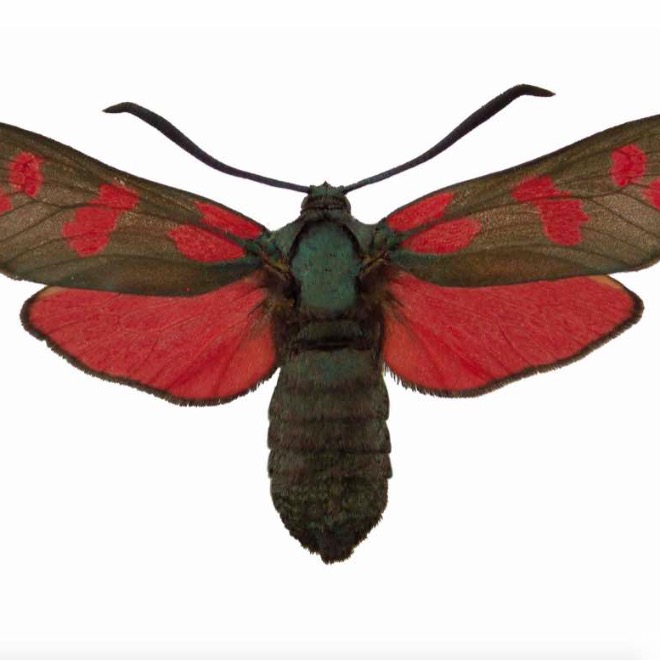
Natural history collections are important and provide us with a record of changes in nature over the last hundreds of years. We want to unlock all this information and openly share our collections.
Danish Butterflies and Moths 2020 ChallengeAbout Danish Butterflies and Moths 2020 Challenge
At the Natural History Museum of Denmark, we are digitizing the Danish collection of butterflies and moths. A collection of about 2 million specimens covering a recording a time span of more than 250 years. It is a huge challenge!
As a pilot, we have captured the specimens and labels of nearly 4.000 butterflies and moths as high quality images. Now we ask the public to help us transcribe the old handwritten labels that hold important information on when and where each specimen was collected. Thereby the scientific value of the database increases tremendously. The collections may serve analytical purposes for research, also in a global context through the sharing of this data in The Global Biodiversity Information Facility (www.gbif.org). Our goal is simple: Each label is to be transcribed before the end of 2020, so that we can share and make even better use of our biodiversity data.
Join us! Discover our collections, take up the challenge and help us reach the goal.