


Finished! Looks like this project is out of data at the moment!
Thank you so much to everyone who contributed to Deep Lake Explorer! Check out results here!
Research
Project Overview
Welcome to the Deep Lake Explorer, where you can explore the underwater world of the Great Lakes and help us understand invasive species impact on ecosystems. You can see for yourself how invaders like zebra mussels, quagga mussels, round gobies, and even litter can transform ecosystems. If you are lucky, you can also catch glimpses of native fishes and even tiny insects living along the bottom of the lake.

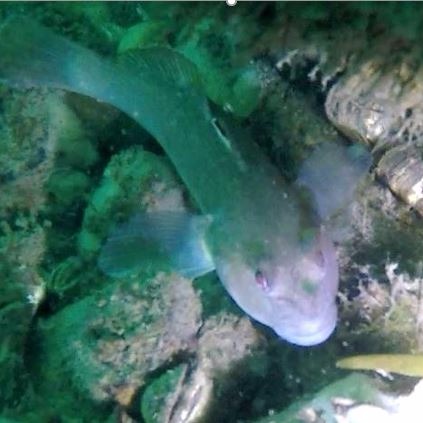
Round gobies sitting in a bed of invasive mussels. Video collected in Lake Ontario in 2018.
Deep Lake Explorer analyzes video collected through the EPA’s National Coastal Condition Assessment, and EPA's Cooperative Science and Monitoring Initiative. The videos can provide a wealth of information, but we need your help interpreting them! This project is one of the first Zooniverse efforts to analyze underwater video, and will pave the way for more effective, timely analysis of underwater video in the future.
Why care about the Great Lakes?
The Laurentian Great Lakes form the largest surface freshwater system on Earth by area. These lakes support more than 30 million people living within their watersheds. The Great Lakes are a dominant part of the physical, ecological, and cultural heritage of the region.

Great Lakes satellite imagery from NASA's Worldview.
Today, they provide a clean source of drinking water for residents, and host a shipping industry that moves approximately 164 million metric tons of cargo every year. Residents and tourists enjoy swimming, boating, beach combing, fishing, and many other forms of recreating on the lakes and their shorelines. The Great Lakes ecosystem has 180 species of native fish and supports a major commercial and recreational fishing industry.
Despite their significant size, the Great Lakes are vulnerable to the effects of many pollutants and stressors. This study will help us understand the changing Great Lakes ecosystem and help resource professionals make informed decisions about how to restore, regulate, manage, and protect the Great Lakes.
Great Lakes Invaders
In the past several decades, over 180 non-native species have been introduced into the Great Lakes. A few of these aquatic invaders have significantly altered Great Lakes ecosystems. Aquatic invasive species are as challenging to study as they are to control. Studies have fallen short of describing the spread and abundance of invasive species throughout the entire Great Lakes through time.


Left: Invasive mussels attached to rocks, Right: Round goby with visible black dorsal spot.
Underwater video footage can provide information about the presence and abundance of invasive species within different habitats. The example below shows both round gobys and invasive mussels. Through Deep Lake Explorer, you can identify invasive species like round gobies and zebra and quagga mussels and classify habitat, which will help us better understand and predict the presence of these species in the Great Lakes.
This example video shows both round gobies swimming along the bottom and invasive mussels attached to boulders. Round gobies have a characteristic black spot on their dorsal fin that is visible in this video.
How it Works
On Deep Lake Explorer, multiple people review each video clip. If you make a mistake, don't worry about it, because many others will also review it. Just choose your best guess.
After a brief tutorial, you will start classifying underwater video clips. For each clip, we ask you to answer several simple questions about what you see. There are many resources to help you answer questions, including the Tutorial, Field Guide, FAQ, and the Talk forum where you can ask scientists questions about clips or the project. It is that simple!
Get Started now!
Where were the videos collected?
The videos you analyze on Deep Lake Explorer were collected on the Niagara River and Lake Ontario in 2018, and on Lake Huron in 2017.

Dive Deeper
For more background on underwater video collection and this project, check out this Project Background thread.