


Finished! Looks like this project is out of data at the moment!
This project has been built using the Zooniverse Project Builder but is not yet an official Zooniverse project. Queries and issues relating to this project directed at the Zooniverse Team may not receive any response.
WWF is working in several natural landscapes in Germany to return them to a wilderness state and offer new undisturbed habitat to wildlife. Camera traps will help us monitor the status of wildlife populations in our project areas.
Learn moreYou can do real research by clicking to get started here!
Zooniverse Talk
Chat with the research team and other volunteers!
Wilderness and Wildlife Protection in Germany Statistics
View more statsAll Time Stats
Active Stats
Active stats provide information about currently active workflows and subjects.
Message from the researcher
Connect with the research team on Talk to learn more about this project!
About Wilderness and Wildlife Protection in Germany
Centuries-long human use- for agriculture, pasture or forestry- characterizes most of the German landscape and has been detrimental to many wildlife populations. Large carnivores such as bears and wolves were hunted to extinction in the 19th century.
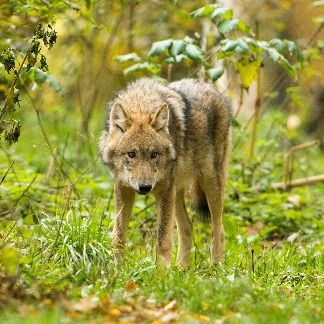
WWF owns and manages around 2,270 hectares of natural landscapes north of Berlin, with the final objective of returning them to a wilderness state. These landscapes are already partially classified as protected areas and offer pristine forest, lake and swamp habitats for numerous wildlife species. These include rare and endangered species such as cranes, the European otter, several species of bats and also wolves, which have been returning to Germany from Poland since 2000.
WWF’s work towards an undisturbed wilderness area includes closing roads and forest trails, removing unnatural habitats such as pine and spruce forests and replacing them with native vegetation, and ultimately the cessation of all human activity.
In order to monitor our conservation successes and population dynamics of animal species such as badgers, cranes, red and fallow deer or wolves, WWF has installed 11 camera traps in two of our project areas in Brandenburg.
The knowledge gained from the camera traps will help us revise and fine tune our conservation actions and wildlife management. Wolf management in particular requires special focus, and WWF works closely with government agencies to monitor and accompany the return of wolves to Germany. This includes public outreach activities, support of herd guarding measures to avoid killing of livestock, or the development of wolf management plans to promote the coexistence of wolves and humans.