


This project is now complete! Thanks to all of you citizen scientists who made the project happen! Check here for updates.
You can do real research by clicking to get started here!
Zooniverse Talk
Chat with the research team and other volunteers!
Zen of Dragons Statistics
View more statsAll Time Stats
Active Stats
Active stats provide information about currently active workflows and subjects.
Message from the researcher
Connect with the research team on Talk to learn more about this project!
About Zen of Dragons
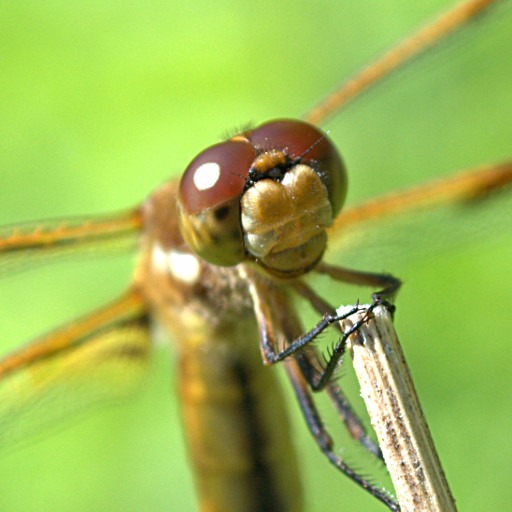
Dragonflies and their daintier cousins, damselflies, are pretty awesome beasts: they're incredibly agile fliers, they're voracious predators of mosquitoes and other flying insects, and they make good indicators of the health of freshwater ecosystems since they spend most of their life as aquatic nymphs. Together they comprise the insect order called Odonata and we like to call them "odonates" (or "odes" for short).
In this project, we are training Odomatic, a computer system for identifying odonates from images using state-of-the-art computer vision and machine learning. Odomatic will allow you to snap a photo of an ode with your camera and immediately know what species you're looking at. Awesome, right?! But first we need your help: we need to train a computer model to be able to find dragonflies and damselflies in images so that a second model can actually identify them. You can help us by drawing some simple boxes around the odes in our training images, and along the way you'll get to see beautiful photographs of the odes around you! These images come from Odonata Central, an awesome ode-ing website for North and South America. More information about this project and the research behind it can be found here.

Photo: A mating pair of Desert Firetail damselflies (Telebasis salva) from Alameda County, CA. Dragonflies and damselflies have one of the strangest ways of mating among insects. Called the "wheel position", a male grabs a female by special plates behind her head, then the female moves her abdomen to secondary genitalia at the base of the male's abdomen, where sperm transfer takes place. In damselflies it sometime looks a little like a heart. How romantic!