


Finished! Looks like this project is out of data at the moment!
Help researchers understand frog calling behaviour and develop automated recognisers by labelling calls
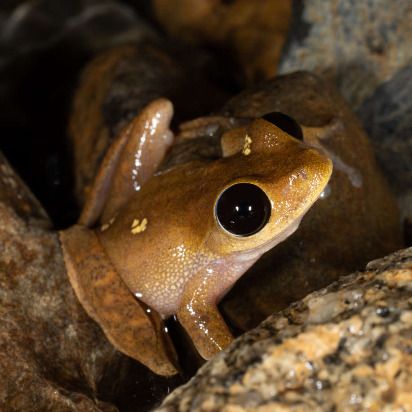
Learn moreWe currently have 6 workflows focusing on identifying calls from different species. One of these species is new to the project - the short-footed frog (Ranoidea brevipes). Make sure to familiarise yourself with the new example calls in the field guide for this species. Happy listening.
The current audio recordings are from another of the Australian Acoustic Observatory sites located in North Queensland, Australia.
Zooniverse Talk
Chat with the research team and other volunteers!
FrogSong Statistics
View more statsAll Time Stats
Active Stats
Active stats provide information about currently active workflows and subjects.
Message from the researcher

Biologists have typically listened to audio manually when needing to analyse species vocalisations in recordings, but with the rise of passive acoustic monitoring this is no longer feasible. By classifying audio recordings, you will become acquainted with an array of frog calls and help us develop automated methods to monitor frog populations.
SladeAAAbout FrogSong
With your help, researchers at James Cook University and Monash University aim to develop automated techniques to identify frog calls in very long audio recordings. This will allow us to understand the environmental drivers of frog chorusing, detect changes in frog communities through time, determine how species partition the acoustic space, and much more!
This project contains audio recordings collected by the Australian Acoustic Observatory at sites around Australia.

Avatar, background and introduction photos: Rishab Pillai