Finished! Looks like this project is out of data at the moment!
Welcome! This project recently migrated onto Zooniverse’s new architecture. For details, see here.
Research
The scope of LEC's camera trap survey at Khutse GR is to provide reliable population estimates of leopards and other carnivores. Moreover, the survey will produce estimates of prey distribution and abundance as well as tracking the age structure and condition of predators and preys in our study area. The camera trap survey will complement LEC's long-term methods of data collection, such as prey count transects and spoor surveys. The opportunity to compare our data with datasets from other Snapshot Safari survey sites will shorten our time for defining the best-standardized survey design for our study area and provide useful results for management purposes. The opportunity to compare our data with datasets from other Snapshot Safari survey sites will shorten our time for defining the best-standardized survey design for our study area and provide useful results for management purposes.
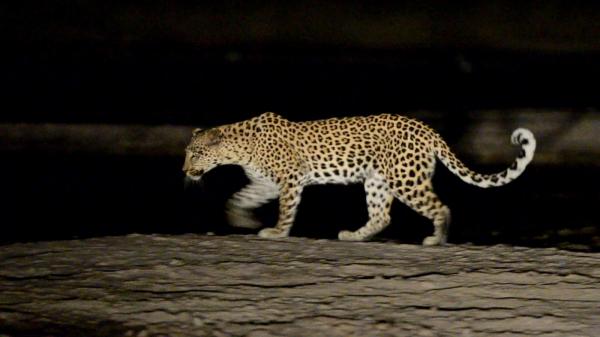
LEC's philosophy is to combine the latest technology (camera trapping and a strong analytical framework) with the inestimable knowledge of the local Basarwa community, especially from the trackers. So, the camera trap placement is the synthesis of these two aspects. A randomly generated virtual grid is placed on the study area. Each cell covers 5 km² and the camera is placed in a buffer area with a 250m radius around the cell centroid. Within the buffer area, the trackers define the exact point where to place the device. They are able to identify the most used animal trails and, with their knowledge of carnivore behavior, select the spot with the highest chances to 'capture' images of predators.
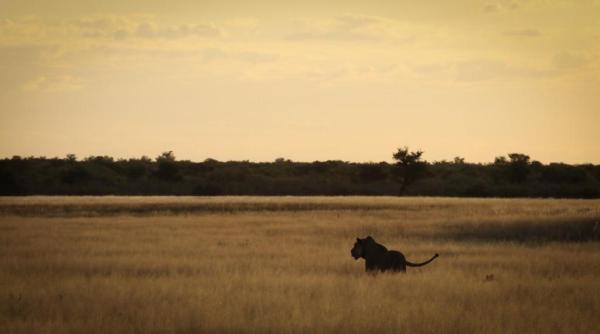
The first phase will carry on a pilot study aimed to test the feasibility of camera trap surveys in the LEC study area. These initial results will provide further insights to better adapt the survey design to the limiting constraints of the study area, such as low wildlife densities and scarcity of roads.
In the second phase, a long-term camera trap survey will include all the representative habitats of our study area with a homogenous distribution across Khutse GR.
In the third phase, camera trap grids will be set up in the communal grazing land adjacent to Khutse G.R. to compare wildlife population trends inside and outside the protected area.
In the long term, the large-scale camera trap survey across the entire study area will produce fundamental information for wildlife management strategies in the region. The camera trap database will allow LEC to generate estimates of species abundances, track changes in population numbers through time, and improve the security of the reserve.