



Finished! Looks like this project is out of data at the moment!
Welcome! This project recently migrated onto Zooniverse’s new architecture. For details, see here.
Help us monitor the amazing biodiversity of South Africa's oldest and most renowned protected areas!
Learn moreYou can do real research by clicking to get started here!
Zooniverse Talk
Chat with the research team and other volunteers!
Snapshot Kruger Statistics
View more statsAll Time Stats
Active Stats
Active stats provide information about currently active workflows and subjects.
Message from the researcher
Connect with the research team on Talk to learn more about this project!
About Snapshot Kruger
Kruger National Park is the crown jewel in the South African National Park system. It has been a refuge for wildlife since its establishment in 1898 in response to over-hunting, and a popular ecotourism destination since the 1920s.
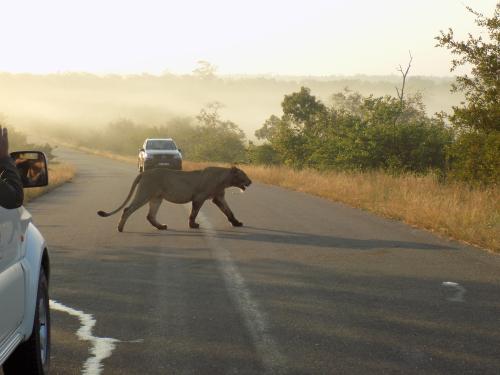
The original reserve encompassed the area between the Sabie and Crocodile Rivers, and the park has expanded many times since then. SANParks is currently pursuing an ambitious transnational expansion strategy allowing Kruger NP to merge with protected areas in Zimbabwe and Mozambique, as well as with privately owned land on the western boundary of the park in South Africa. This collective is known as the Greater Limpopo Transfrontier Conservation Area (GLTFCA) and it houses one of the most diverse wildlife assemblages remaining in Africa.
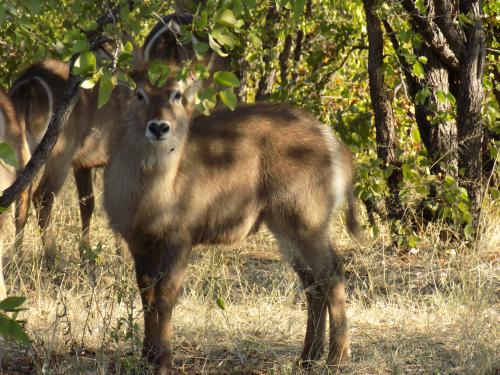
The Snapshot Safari grid was established in 2018 as part of a research project assessing the impacts of large mammals on plant life as boundary fences were removed and wildlife reoccupied areas of previous extirpation.
Classified data and bulk image downloads for Season 1 of Snapshot Kruger are available through the Labeled Image Library of Alexandria (LILA). Additional ecological metadata available upon request by emailing Sarah Huebner of the University of Minnesota Lion Center at huebn090@umn.edu with details about your research questions.