


This project has been built using the Zooniverse Project Builder but is not yet an official Zooniverse project. Queries and issues relating to this project directed at the Zooniverse Team may not receive any response.
The daily operation of a professional food service environment involves a massive transfer of raw materials, creating a setting where biological risks multiply rapidly.
Learn moreYou can do real research by clicking to get started here!
Zooniverse Talk
Chat with the research team and other volunteers!
The Operational Reality of High-Volume Kitchen Hygiene Statistics
View more statsAll Time Stats
Active Stats
Active stats provide information about currently active workflows and subjects.
Message from the researcher
Connect with the research team on Talk to learn more about this project!
About The Operational Reality of High-Volume Kitchen Hygiene
The daily operation of a professional food service environment involves a massive transfer of raw materials, creating a setting where biological risks multiply rapidly. From the moment morning deliveries arrive at the loading bay to the final plating of a late-night service, ingredients pass through countless hands and rest on multiple surfaces. Managing the transfer of raw proteins, fresh produce, and dry goods requires absolute precision to prevent cross-contamination. When an establishment processes hundreds of covers a night, the physical surfaces of the space absorb significant punishment. Every station becomes a potential hazard if the management team fails to enforce strict, systematic hygiene protocols throughout the service.
Beyond the visible preparation tables, the hidden mechanics of a commercial kitchen present severe hygiene challenges. During a busy dinner rush, vaporised grease atomises in the air and coats the exhaust hoods, ceiling tiles, and high shelving. Moisture accumulates under heavy refrigeration units and dishwashing stations, creating the perfect damp conditions for bacterial growth if left unchecked. Floor grout absorbs spills, fats, and organic matter, which gradually breaks down the structural integrity of the flooring while producing persistent odours. These unseen layers of grime cannot be managed by kitchen staff who are already exhausted after a fourteen-hour shift on the line.
The transition zone between the back-of-house preparation areas and the dining floor is another critical area requiring intense focus. The pass, where plated food is handed over to the serving staff, acts as the border between two very different environments. Servers returning from the dining room bring back dirty plates, glassware, and used linens, moving continuously past fresh food waiting to be delivered. If the hygiene standards in this high-traffic corridor slip, the risk of transferring bacteria from a used glass to a fresh plate increases dramatically. Maintaining a sterile barrier requires continuous wiping, sanitising, and physical separation of dirty and clean zones.
Customer perception is ultimately dictated by the standards maintained in the front-of-house areas. A patron will never see the spotless condition of your walk-in freezer, but they will immediately notice a sticky table, a smudged menu, or a dusty windowsill. Human beings are biologically programmed to detect unsanitary conditions, particularly when they are preparing to eat. A minor oversight, such as a dirty washroom or debris under a dining chair, instantly breaks the illusion of quality and safety. Once a diner questions the cleanliness of the dining room, they will inevitably assume the worst about the unseen kitchen.
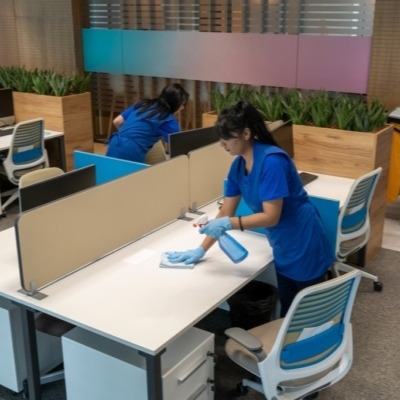
Securing a specialised restaurant cleaning NYC contractor offers a systematic solution to these complex environmental challenges. Professional teams operate during the closing hours, applying industrial-grade degreasers and high-pressure steam extraction techniques that normal staff simply cannot execute. They dismantle the burner grates, scrub the floor drains to prevent pest infestations, and sanitise the dining room upholstery. This level of intervention resets the establishment to a safe baseline every single night, ensuring that the morning preparation crew walks into a sterile, odourless, and perfectly organised space.
Protecting the financial future of a dining establishment requires treating professional hygiene as a non-negotiable operational cost. The long-term damage caused by grease fires, pest closures, or foodborne illness outbreaks will always exceed the cost of daily professional maintenance. Owners who respect the science of sanitisation understand that their reputation relies entirely on their ability to serve food in a mathematically safe environment. By treating the physical condition of their property with the same respect as their menu development, they build a resilient, profitable, and highly respected business.
Conclusion
Managing a high-volume food service operation requires an uncompromising approach to cross-contamination and environmental hygiene. By relying on professional intervention to reset the space daily, owners protect their patrons, support their staff, and secure the long-term reputation of their establishment.
Call to Action
Protect your patrons and your reputation with an uncompromising approach to kitchen and dining room hygiene. Contact our team to establish a nightly maintenance programme designed specifically for the demands of the food service industry.