Finished! Looks like this project is out of data at the moment!
Thank you for your efforts! This project's classification effort is complete! To browse other active projects that still need your classifications, check out zooniverse.org/projects
The Team
The Myall Lakes Dingo Project was founded in 2019 and is funded by the Hermon Slade Foundation and Taronga Conservation Society Australia.
The project is a collaboration between the Centre for Ecosystem Sciences in the School of BEES at UNSW Sydney, Taronga Conservation Society Australia, National Parks and Wildlife Service NSW, and MidCoast Council.

Team dingo 2019 - including "Rain", our dingo-sign detection expert
As a participant on this Zooniverse project, you are also an integral part of our team.

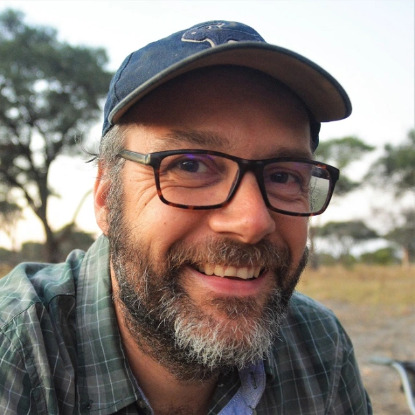
Dr Neil Jordan
Senior Lecturer, University of New South Wales
Conservation Biologist, Taronga Conservation Society Australia
I have broad research interests across behavioural ecology, from meerkats to African wild dogs, with much of my work focused on scent communication in wild carnivores in particular. I am most interested in and motivated by applying animal behaviour to conservation management, particularly in understanding and resolving human-wildlife conflicts.

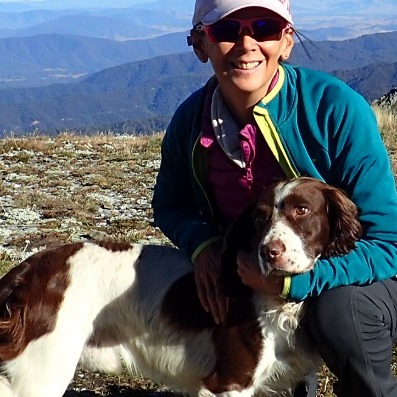
Dr Ben Pitcher
Behavioural Biologist, Taronga Conservation Society Australia
I am a behavioural and sensory ecologist, working with a range of mammalian and avian species in terrestrial and aquatic environments. Much of my research explores the evolution of animal cognition and communication, and how animals use their senses in complex and changing environments. I am also interested in the use of technology in conservation research, and developing behaviour-based management tools for conservation.

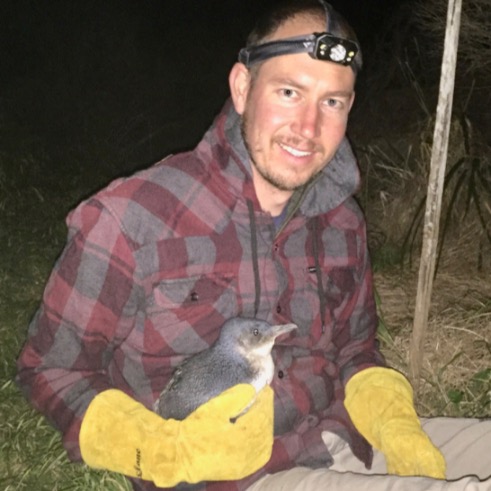
Brendan Alting
PhD student, University of New South Wales
I am a PhD student at UNSW in the school of BEES, studying dingo behaviour, communication, and how they are spatially distributed across the landscape. My research will take place in the Myall Lakes region, and will focus on how dingoes communicate with other pack members using scent marks, and how they respond to the presence of humans in campgrounds and towns in the area.