


Finished! Looks like this project is out of data at the moment!
Heads up! This project contains images of deceased animals that have been preserved as museum specimens, which are vital for conservation and research. | Ce projet contient des images d'animaux décédés qui ont été conservés sous forme de spécimens de musée, essentiels à la préservation des espèces et à la recherche.
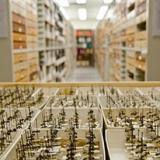
The New Brunswick Museum hosts invaluable collections for conservation research. By helping digitize our collections, you can help us study changes in populations over time in response to climate change.
Learn moreChoose an expedition to begin digitizing collections!
Zooniverse Talk
Chat with the research team and other volunteers!
Notes from Nature - The New Brunswick Museum Digital Engagement Lab Statistics
View more statsAll Time Stats
Active Stats
Active stats provide information about currently active workflows and subjects.
Message from the researcher

"Museums hold an incredible wealth of scientific knowledge spanning decades. These collections enable researchers and institutions around the world to address important ecological questions and support meaningful conservation efforts."
Notes from Nature - The New Brunswick Museum Digital Engagement LabAbout Notes from Nature - The New Brunswick Museum Digital Engagement Lab
The New Brunswick Museum (NBM) is one of Canada’s oldest museums, with a collection of over 300,000 specimens, including North America’s largest collection of green frogs and bullfrogs. Its mission is to care for and share the natural and human history of New Brunswick, helping people better understand and appreciate the province’s heritage.
Museums play an important role in scientific research. By digitizing collections, they make valuable data available worldwide. This information helps scientists study species, track environmental changes, and better understand issues like climate change and biodiversity loss.
Biodiversity loss is a growing global concern that affects both ecosystems and people. Many individuals experience “eco-anxiety,” or worry about the environment. Getting involved in hands-on projects can help turn that concern into positive action.
Projects like this one allow people to contribute directly to science by helping digitize and measure specimens. These efforts support research and conservation while also giving participants a sense of purpose and connection.
This research was made possible by generous funding from the Harrison McCain Foundation, which supported infrastructure, data acquisition, inter-institutional collaboration, and public outreach. Support from organizations such as the Harrison McCain Foundation is critical to the success of this project and to advancing the broader understanding and conservation of biodiversity.
