


Finished! Looks like this project is out of data at the moment!
Hey Amazonoilers!!! Thank you so much for your help during the last months. Soon we will upload some preliminary results from the data that you helped us to collect.
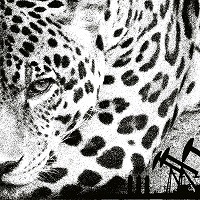
A big part of the indigenous territories from the Amazon are overlapped by oil concessions. Wild animals are ingesting oil from OIL SPILLS. Our cameras have recorded thousands of videos. We need your help to identify which species might be exposed to oil pollution
Learn moreYou can do real research by clicking to get started here!
Zooniverse Talk
Chat with the research team and other volunteers!
Amazo'N'Oil Statistics
View more statsAll Time Stats
Active Stats
Active stats provide information about currently active workflows and subjects.
Message from the researcher

Hey Amazonoilers!!! Thank you so much for your help during these last months 😃 We will soon upload preliminary results.
MarCartroAbout Amazo'N'Oil
Oil and gas extraction activities in tropical rainforests have generated multiple and large negative environmental and health impacts. In the tropical rainforests, oil concessions do not only overlap with the most biodiverse regions of the planet, but they also cover the ancestral territories of indigenous people, who rely on them to hunt, fish and obtain water.
One of the oldest oil concessions in the tropical rainforests is located in a remote region of the northern Peruvian Amazon. For almost 50 years, Achuar, Quechua, Kitchwa and Kukama indigenous people inhabiting the area have tried to protect their territories from the oil impacts.
Over the last decade, the indigenous organizations FEDIQUEP, FECONACOR, OPIKAFPE and ACODECOSPAT, have worked in close collaboration with some scientists to identify all the negative effects of oil activities in the environment and their health. Recently, they have made an alarming discovery: wild animals are ingesting oil from the recurrent oil spills. This behaviour may expose the whole ecosystem and more worrisome, the local human population to toxic and bioaccumulable oil-related pollutants, such as heavy metals or PAHs. By helping us to identify which animal species are ingesting oil, you can contribute to better know the oil impacts in the rainforests and help to protect them and their people.

This website is supported by a 2017 Leonardo Grant for Researchers and Cultural Creators, BBVA Foundation.
The Foundation accepts no responsibility for the opinions, statements and contents included in the project and/or the results thereof, which are entirely the responsibility of the authors.