


Finished! Looks like this project is out of data at the moment!
Welcome (back)! We are excited to relaunch this project. In addition to studying the sounds children make, we are now asking you to categorize the sounds people around them make. Check out the tutorial to learn more about our new workflow. Thank you for your continued help!
Welcome! We need your help to classify some audio clips. This will help us to better understand how children learn language from the world around them.
Learn moreYou can do real research by clicking to get started here!
Zooniverse Talk
Chat with the research team and other volunteers!
Maturity of Baby Sounds Statistics
View more statsAll Time Stats
Active Stats
Active stats provide information about currently active workflows and subjects.
Message from the researcher
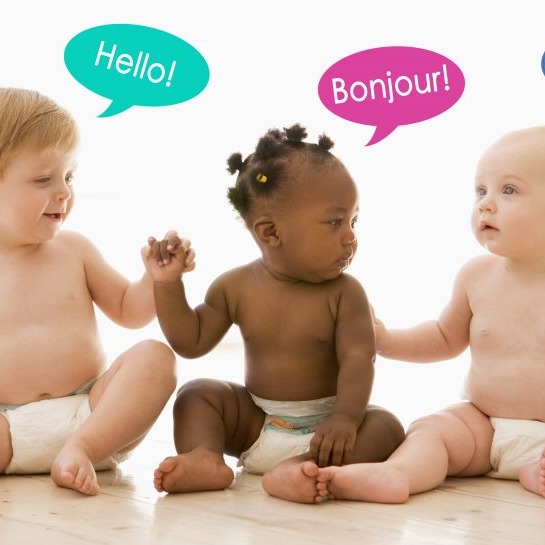
Children learn language everywhere, but we still don't know how! We hope "Maturity of Baby Sounds" will allow faster, more accurate measurements of language development, and help build knowledge useful to researchers working in many countries.
Maturity of Baby SoundsAbout Maturity of Baby Sounds
Welcome fellow citizen scientists!
We need your help to classify some very short audio clips, that have been taken from very long recordings. We are trying to find out more about the sounds children, and people around them, make.
To study this, we had children aged between 3 months and 5 years wear a recorder for many hours. We then extracted some clips using a simple algorithm: If there is pure silence, ignore; if there is some sound, extract. This simple algorithm still pulls out some noise or silence -- so don't worry if most of the clips you hear are just that. What we are really interested in, though, are vocal sounds made by the child or other people around them. We want to know who made the sounds, and what the sounds were like.
We ask you to label these very short clips based on who was making the sound (female/male/undecided baby/child/adolescent/adult) and what “type” of sound it was. The sounds include crying, laughing, and two types of speech-like vocalizations. This is so that we can see how children’ sounds change as they get older. You can listen to each clip as many times as you would like before making a decision.
For those who are returning, this builds on our previous workflow by allowing us to not only learn about the sounds that babies make, but also the sounds they hear. Through this new approach, your responses will allow us to describe how babies' speech development relates to the speech they hear, and compare different recording devices and even train machine learning algorithms.
So a big thank you for your help!!!