


This project has been built using the Zooniverse Project Builder but is not yet an official Zooniverse project. Queries and issues relating to this project directed at the Zooniverse Team may not receive any response.
SynGas OBD Fuel Saver: 2026 (Review) Truly Effective? A Neutral Performance Review
Learn moreYou can do real research by clicking to get started here!
Zooniverse Talk
Chat with the research team and other volunteers!
SynGas OBD Fuel Saver: 2026 (Review) Truly Effective? A Neutral Performance Review Statistics
View more statsAll Time Stats
Active Stats
Active stats provide information about currently active workflows and subjects.
Message from the researcher
Connect with the research team on Talk to learn more about this project!
About SynGas OBD Fuel Saver: 2026 (Review) Truly Effective? A Neutral Performance Review
In today’s rising fuel-cost environment, many drivers are actively searching for ways to improve fuel efficiency and reduce monthly expenses. One product that often appears in online searches is the SynGas OBD Fuel Saver. Marketed as a device that plugs into a vehicle’s OBD-II port to enhance mileage and optimize engine performance, it has gained attention among car owners looking for quick fuel-saving solutions.
➤➤ Visit the Official Website – Click Here Now ◀◀
But what exactly is the SynGas OBD Fuel Saver, how does it claim to work, and is it really effective? This article breaks down everything you need to know in an SEO-friendly, easy-to-understand guide.
What Is SynGas OBD Fuel Saver?
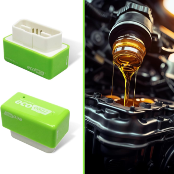
The SynGas OBD Fuel Saver is typically promoted as a plug-in automotive device that connects to a vehicle’s OBD-II (On-Board Diagnostics) port, which is standard in most modern cars. The device claims to analyze engine data and adjust performance parameters to improve fuel efficiency, reduce emissions, and optimize fuel combustion.
Some marketing materials also suggest that it helps stabilize engine performance, reduce carbon buildup, and improve throttle response.
However, it’s important to understand that products in this category often make broad efficiency claims without transparent technical verification or independent testing.
How Does It Claim to Work?
The SynGas OBD Fuel Saver is usually described as operating through the following mechanism:
1. Data Monitoring via OBD-II Port
The device connects to the vehicle’s OBD system and reads real-time engine data such as fuel usage, air intake, and throttle position.
2. ECU Signal Optimization
It is often claimed that the device sends “optimized signals” to the Engine Control Unit (ECU) to improve combustion efficiency.
3. Fuel Efficiency Adjustment
Based on these adjustments, the device allegedly helps the engine burn fuel more efficiently, resulting in better mileage.
4. Emission Reduction Claims
Some versions also claim reduced carbon emissions by improving fuel-air balance.
While this sounds technical, most modern vehicles already have advanced ECUs that automatically manage these parameters with precision.
Key Features Advertised
The SynGas OBD Fuel Saver is commonly marketed with the following features:
- Improved fuel economy
- Reduced fuel consumption
- Better throttle response
- Lower emissions
- Plug-and-play installation (no tools required)
- Compatibility with most petrol and diesel vehicles
These features are designed to appeal to everyday drivers dealing with high fuel prices and long commutes.
Does SynGas OBD Fuel Saver Really Work?
This is the most important question for buyers.
In reality, fuel-saving devices that plug into the OBD-II port and claim dramatic mileage improvements are widely debated. Most automotive experts agree that:
- Modern ECUs are already highly optimized by manufacturers
- External plug-in devices rarely override or improve factory tuning
- Real-world fuel savings, if any, are usually minimal or unverified
In many cases, perceived improvements may come from changes in driving behavior rather than the device itself.
Therefore, while the SynGas OBD Fuel Saver is marketed aggressively, independent scientific validation of significant fuel savings is limited.
Pros and Cons
Pros
- Easy plug-and-play installation
- Affordable compared to engine modifications
- No mechanical changes required
- May encourage more efficient driving habits
Cons - Lack of verified performance data
- Claims may be exaggerated in marketing
- Results vary widely between vehicles
- Modern cars already optimize fuel efficiency automatically
- Things to Consider Before Buying
If you are considering the SynGas OBD Fuel Saver, keep these factors in mind:
- Check for genuine customer reviews from trusted platforms
- Be cautious of “guaranteed mileage improvement” claims
- Compare with proven fuel-saving methods like proper tire inflation and regular servicing
- Understand that results may not match promotional expectations
- Proven Alternatives for Better Fuel Efficiency
➤➤ Visit the Official Website – Click Here Now ◀◀
Instead of relying solely on plug-in devices, here are proven ways to improve mileage:
- Maintain correct tire pressure
- Drive at steady speeds
- Avoid excessive idling
- Use recommended engine oil
- Keep air filters clean
- Get regular engine tuning
These methods are backed by automotive engineering principles and consistently deliver results.
Conclusion
The SynGas OBD Fuel Saver is marketed as a simple solution for improving fuel efficiency by plugging into your vehicle’s diagnostic system. While the concept sounds appealing, real-world performance claims should be approached with caution.
For drivers seeking long-term savings, combining good driving habits with proper vehicle maintenance remains the most reliable and effective strategy. Before purchasing any fuel-saving device, it’s always wise to research thoroughly and set realistic expectations.