


Heads up! This project contains images of deceased animals that have been preserved as museum specimens, which are vital for conservation and research. | Ce projet contient des images d'animaux décédés qui ont été conservés sous forme de spécimens de musée, essentiels à la préservation des espèces et à la recherche.
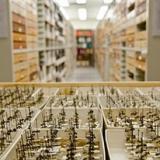
The New Brunswick Museum hosts invaluable collections for conservation research. By helping digitize our collections, you can help us study changes in populations over time in response to climate change.
このプロジェクトについてThe New Brunswick Museum School Sandbox offers a never-ending workflow for students (or anyone) to refine their measurement skills. Other workflows, such as the Hop to it series, will contribute directly to the analysis of collections.
Zooniverse トーク
志を同じくする他のボランティアと会話ができるトークページもチェックしてください。
Notes from Nature - The New Brunswick Museum Digital Engagement Lab 統計
さらに詳しい統計を見るAll Time Stats
Active Stats
すべてのクリックがカウントされます。 Notes from Nature - The New Brunswick Museum Digital Engagement Labのコミュニティに参加して、このプロジェクトを完了させ、研究者が重要な結果を生み出すのを手伝ってください。
研究者からのメッセージ

"Museums hold an incredible wealth of scientific knowledge spanning decades. These collections enable researchers and institutions around the world to address important ecological questions and support meaningful conservation efforts."
Notes from Nature - The New Brunswick Museum Digital Engagement LabNotes from Nature - The New Brunswick Museum Digital Engagement Lab について
The New Brunswick Museum (NBM) is one of Canada’s oldest museums, with a collection of over 300,000 specimens, including North America’s largest collection of green frogs and bullfrogs. Its mission is to care for and share the natural and human history of New Brunswick, helping people better understand and appreciate the province’s heritage.
Museums play an important role in scientific research. By digitizing collections, they make valuable data available worldwide. This information helps scientists study species, track environmental changes, and better understand issues like climate change and biodiversity loss.
Biodiversity loss is a growing global concern that affects both ecosystems and people. Many individuals experience “eco-anxiety,” or worry about the environment. Getting involved in hands-on projects can help turn that concern into positive action.
Projects like this one allow people to contribute directly to science by helping digitize and measure specimens. These efforts support research and conservation while also giving participants a sense of purpose and connection.
This research was made possible by generous funding from the Harrison McCain Foundation, which supported infrastructure, data acquisition, inter-institutional collaboration, and public outreach. Support from organizations such as the Harrison McCain Foundation is critical to the success of this project and to advancing the broader understanding and conservation of biodiversity.
