Research

We humans are a visual species - we interact with our surroundings primarily through sight, and more specifically, light in the visible spectrum. But visible light is only one kind of energy or signal that can be captured and interpreted to sense and characterize objects.
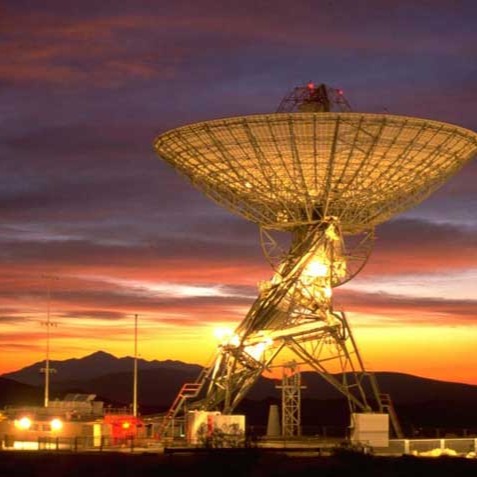
Radio waves are another. The GAVRT telescopes give us radio eyes. Humans have long used radio wave signals here on earth to transmit sound - a transmitter sends out a signal that we “tune in” to hear news, music, and even talk with each other over long distances. While we can’t “see” radio signals, they give us information when we intercept them with the right kind of sensor.

Objects in space also transmit energy by radio waves. Astronomers use special radio telescopes designed to pick up radio wave energy from distant objects in order to learn more about the objects. With GAVRT Solar Patrol, we will start by identifying active regions on the Sun. We will combine that data with other solar observatory data to help us understand how active regions produce solar events that impact our communication, navigation, and all aspects of life. The more we understand about powerful solar events, the better we can take steps to safeguard and protect our way of life here on Earth. The GAVRT Solar Patrol project is focused on using radio waves to better understand activity on the sun.