Finished! Looks like this project is out of data at the moment!
This project is now complete! Thank you to all our volunteers for your help and dedication
The Team
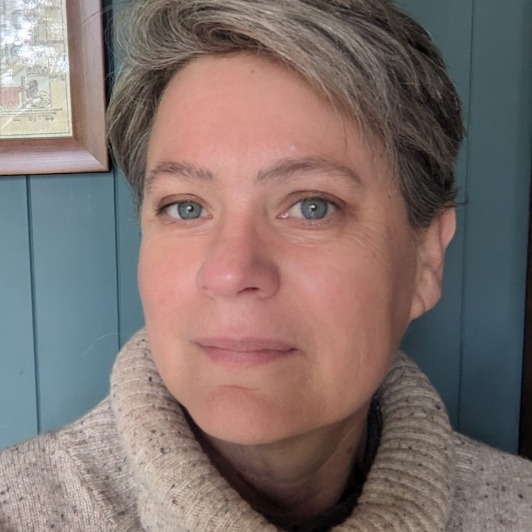
Dr Kellie Leigh - Executive Director/CEO of Science for Wildlife (S4W)
Kellie has worked in the not-for-profit sector for 20 years. She lead S4W's wildlife crisis response work during and after the bushfires, including the first emergency evacuation of koalas from approaching fires. Her research expertise is focused on the application of science to conservation challenges and includes conservation biology, genetics, behavioural ecology, and recent innovative work training and evaluating wildlife detection dogs.
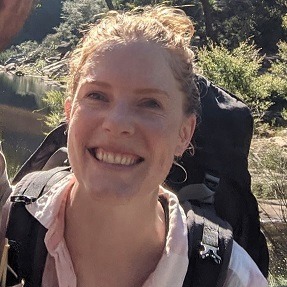
Ariane Weiss - GIS analyst
Ariane started out with S4W as a volunteer helping out during the bushfires, and now works with us using satellite imagery technology to help us plan surveys, by incorporating fire intensity and vegetation recovery rates. This helps us to assess the condition of any habitats where koalas have survived and predict other areas that might support them. Ariane was integral in the deployment and maintenance of the camera traps, and in the development of this Zooniverse project.
Dr Victoria Inman - S4W Research Scientist.
Victoria joined Science for Wildlife in spring of 2020 to lead our broad-scale koala scat surveys, investigating how koala populations have been affected by the bushfires. She has a strong background in monitoring threatened species using a variety of methods (drones, camera traps, direct counts, radio telemetry, GPS tracking). Victoria worked on the development of this project and will help confirm species IDs and analyse the data that our volunteers generate.
Jessie Malpass - S4W Communications Officer
Jessie has recently joined the Science for Wildlife team as Communications Officer. Previous to Science for Wildlife, Jessie worked at Multiple Sclerosis Limited, working across the fundraising and marketing teams. A key part of Jessie's role is engaging the community in wildlife conservation to build capacity and enduring outcomes for wildlife. Jessie's role in this camera trap project is to encourage as many people as she can to volunteer to classify our images.
Our volunteers
Science for Wildlife relies on many volunteers to get our work done. During the bushfires, volunteers helped install and maintain the water stations and food drops, and set up the camera traps. Thank you for all your help.
Our Supporters
A huge thank you to our partners San Diego Zoo Wildlife Alliance who raised funding for us during the bushfires and made this project possible.
We'd also like to thank Dave Wheeler from the NSW Department of Primary Industries for all his help running a program to remove a LOT of false trigger images. There's still a few in there, but several thousand less of them!