


Finished! Looks like this project is out of data at the moment!
Thank you for your efforts! This project does not have active data. To browse other active projects that still need your classifications, check out zooniverse.org/projects
Work with us to understand how polar, grizzly, and black bears behave in a changing environment
Learn moreZooniverse Talk
Chat with the research team and other volunteers!
The Arctic Bears Project Statistics
View more statsAll Time Stats
Active Stats
Active stats provide information about currently active workflows and subjects.
Message from the researcher
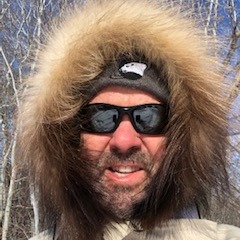
We've been using these remote cameras to study the interactions between people and polar bears in Wapusk National Park since 2011. Involving Zooniverse volunteers in this research gives us a whole new way to look at our data, so thank you for getting involved!
Douglas_ClarkAbout The Arctic Bears Project
We're learning how polar, grizzly, and black bears behave in the changing Arctic environment, with special attention to how they interact with people. The images you'll see come from remote cameras set up on the fences of field camps in Wapusk National Park, on the west coast of Hudson Bay in Manitoba, Canada. Wapusk means "white bear" in the Cree language, and the park was established in 1996. At the time the park was established the area was well-known for its importance as polar bear denning habitat, and local people knew black bears lived in the forests there, but the appearance of grizzly bears in the late 1990s was a surprise. Read more about our research findings here.
When we say "we", that includes a whole lot of people who all contribute to making this project happen: and not just the researchers! Wapusk National Park's staff in Churchill, Manitoba, got the ball rolling in 2010 and since then community members in Churchill and elsewhere have helped us shape this project. Their enthusiasm for non-invasive wildlife research tools, and for the unexpected things we see on the cameras, motivates our team. In the early days of this work we were just excited that our cameras survived over the winter, but pretty soon we were realizing just how many photos we were collecting. This is where you come in: Zooniverse volunteers. Your help processing a decade's worth of pictures from a changing sub-Arctic landscape is a critical task, and we're so grateful to have your assistance with this research. These photos are downloaded once a year from most cameras, and the days when we finally see those images are special treats that every one of our team enjoys. We hope you experience the same feeling.