


Finished! Looks like this project is out of data at the moment!
The final report for this project is now available on the Results page under the About menu. The entire team at the Cheetah Conservation Fund sends its sincere thanks to the thousands of volunteers that helped with this project and to the team at Zooniverse for providing this wonderful platform.
The Cheetah Conservation Fund needs your assistance: Help us research the predator and prey species of central Namibia, home to the largest population of wild cheetah.
Learn moreYou can do real research by clicking to get started here!
Zooniverse Talk
Chat with the research team and other volunteers!
Cheetahs of Central Namibia Statistics
View more statsAll Time Stats
Active Stats
Active stats provide information about currently active workflows and subjects.
Message from the researcher
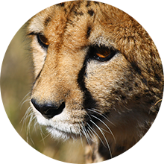
There are an estimated 7,100 cheetah left in Africa and Namibia has the largest, most stable population. It is vital for CCF to continue research into this local habitat.
Cheetahs of Central NamibiaAbout Cheetahs of Central Namibia

Ecologists and volunteers from the Cheetah Conservation Fund (CCF) gather information about the populations of carnivores and other wildlife in central Namibia. CCF is a charter member of a wildlife preservation area called the Greater Waterberg Landscape (GWL), consisting of over 19,000 square kilometers. This is a mixed woodland/grassland ecosystem with predators such as cheetah, leopard, and wild dogs and plenty of prey species. There are also over 25,000 humans, which means that human/wildlife conflict and hunting pressure are ever-present concerns.

The Waterberg Plateau
To help preserve this magnificent landscape, we must understand it better. Since 2016 CCF has been capturing photos of wildlife in the far-flung regions of the Greater Waterberg Landscape, across wet season and dry season, and both near to and away from human settlements.
It is vital to study and understand this ecosystem. The contents of the photos from the camera traps will answer key questions such as:
- what predators and prey species are present?
- what are the relative population densities of each species?
- how do their densities and movements vary according to wet season / dry season?
Please help us answer these and other ecological questions. We have many, many photos and we need your help to classify them and gather data about this vital African habitat.