


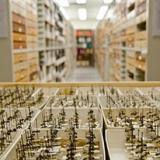
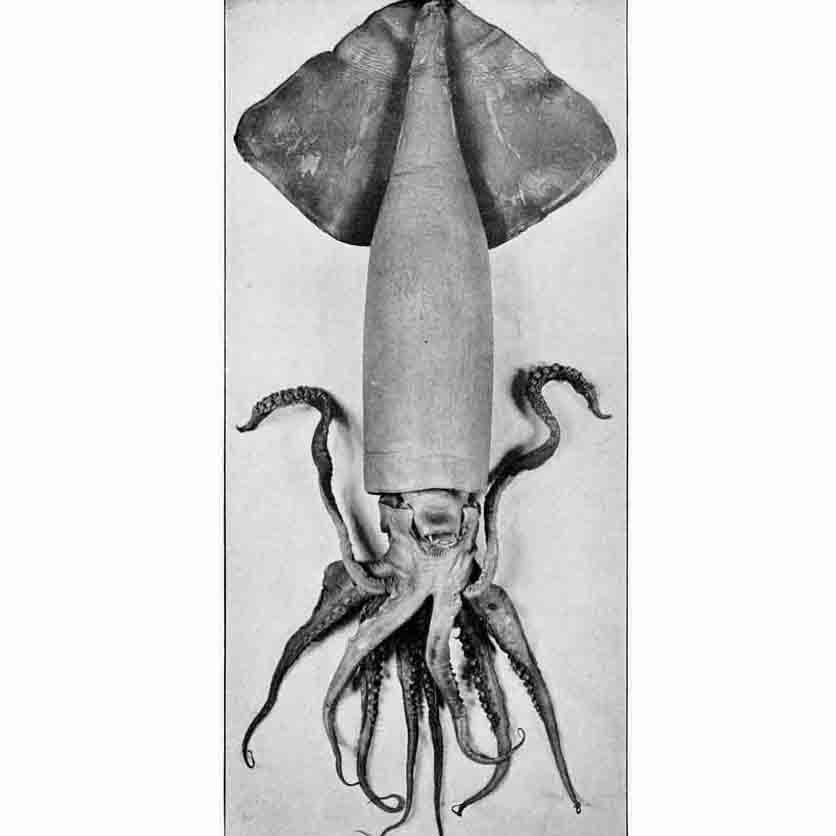
Finished! Looks like this project is out of data at the moment!
Thank you to our Invertebrate Time Machine transcribers! We've completed the classification stage for this project! To browse other active projects that still need your classifications, check out Notes from Nature.
Transcribe historical marine invertebrate labels to activate specimen data for research
Learn moreType data from each specimen label into pre-defined data fields. Interpret species names, geographic localities, and other collection data to parse typed data into fields.
Zooniverse Talk
Chat with the research team and other volunteers!
Notes from Nature - Invertebrate Time Machine Statistics
View more statsAll Time Stats
Active Stats
Active stats provide information about currently active workflows and subjects.
Message from the researcher
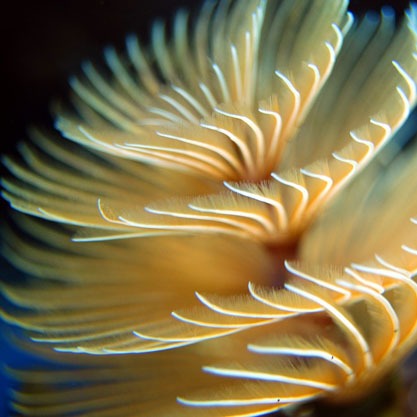
On our changing planet, there's an ever-increasing need for scientists to study the hundreds of millions of natural history specimens housed in global museum collections. Like a huge biological time machine, these diverse specimens provide "snapshots" of Life on Earth through time and space in ways no other resource can. Museum collections have long been accessed by researchers to answer critical global questions, but we must now bring these museum specimens “off the shelves” by digitizing their data, increasing global accessibility to irreplaceable snapshots of our ever-changing natural world.
cpiotrowskiAbout Notes from Nature - Invertebrate Time Machine
The California Academy of Sciences Invertebrate Zoology Collections (CASIZ) are the oldest and most diverse U.S. invertebrate collections west of the Mississippi River, housing invertebrate specimens collected as early as 1833. These recent and historical collections provide an invaluable snapshot of marine life through time and a unique tool for understanding global biodiversity. The CASIZ collections and data are used by scientists and conservation groups around the world to better understand marine life and to study changes in marine systems across time and place.
Scientists believe that less than 10% of all marine eukaryote (algae, protists, animals, and plants) species have been discovered and described so far. There is much left to discover about life. Roughly 97% of all animal life are invertebrate animals, which makes invertebrate data sets especially critical to marine research. Unfortunately most marine invertebrate museum data sets are not digital yet, mostly due to their large sizes and mega-diversity. In fact, so far only about 25% of the Academy's Invertebrate Zoology Collection records are available online. By working on this project you will help increase the number of marine biodiversity records available for scientists to study.


A map of CAS Invertebrate Zoology specimen records currently online.
[CAS Invertebrate Zoology (IZ). Version 14.2. California Academy of Sciences. Occurrence dataset accessed via GBIF.org on 2020-06-01.]
