


This project has been built using the Zooniverse Project Builder but is not yet an official Zooniverse project. Queries and issues relating to this project directed at the Zooniverse Team may not receive any response.
By utilizing an advanced, chemical-free thermal treatment process, raw bamboo is modified at a cellular level to become virtually immune to rot, decay, and termite attacks.
Learn moreYou can do real research by clicking to get started here!
Zooniverse Talk
Chat with the research team and other volunteers!
The Chemical-Free Advantage of Thermal-Treated Bamboo Decking Statistics
View more statsAll Time Stats
Active Stats
Active stats provide information about currently active workflows and subjects.
Message from the researcher
Connect with the research team on Talk to learn more about this project!
About The Chemical-Free Advantage of Thermal-Treated Bamboo Decking
Building an outdoor living space requires materials that can stand up against the relentless forces of nature. For decades, the standard choice for exterior structures involved wood treated with heavy chemical preservatives to ward off wood-boring insects and fungal decay. While these chemical treatments extend the lifespan of traditional lumber, homeowners and builders alike have increasingly sought out cleaner, more sustainable alternatives that deliver equal or superior performance without environmental or health compromises. This is where thermal modification changes the landscape for outdoor construction, particularly through high-performance material choices.
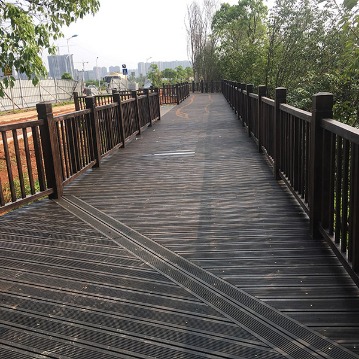
Among these modern alternatives, high-density exterior bamboo decking has emerged as a premier option. By utilizing an advanced, chemical-free thermal treatment process, raw bamboo is modified at a cellular level to become virtually immune to rot, decay, and termite attacks. This process creates a remarkably durable, long-lasting outdoor surface while keeping the material completely non-toxic and safe for bare feet, children, and pets.
The Biology of Decay: Why Wood and Bamboo Typically Fail
To appreciate how thermal treatment works, it helps to look at why natural materials degrade outdoors in the first place. Wood and raw bamboo are organic substances made up primarily of cellulose, hemicellulose, and lignin. When a deck is exposed to rain, humidity, and soil contact, it absorbs moisture. This moisture creates an ideal breeding ground for various wood-decaying fungi.
Fungi require four elements to thrive: oxygen, an acceptable temperature range, moisture, and a food source. Because you cannot control the air or the temperature outdoors, traditional preservation focuses on making the food source toxic to the fungi by pressure-treating the material with chemical pesticides and fungicides.
Termites and other wood-boring insects follow a similar logic. They target outdoor structures because the soft cellulose and hemicellulose sugars within the plant fibers provide a rich source of nutrition. When these insects chew into untreated natural wood or grass fibers, they digest these complex sugars. Standard exterior softwoods quickly succumb to these combined threats of rot and insect damage within a few years if left untreated or unsealed.
The Science Behind Chemical-Free Thermal Treatment
Thermal modification strips away the vulnerabilities of natural fiber through a purely physical process involving high temperatures and steam, completely eliminating the need for synthetic chemicals or heavy metals. The process relies on precisely controlled kilns where the oxygen is replaced with steam or nitrogen to prevent the material from catching fire.
The bamboo strands undergo a multi-stage heating cycle that typically reaches temperatures between 180 and 220 degrees Celsius. At this extreme heat, a permanent chemical restructuring occurs within the cell walls of the material.
First, the hemicellulose—the volatile, water-attracting sugars that serve as the primary food source for fungi and termites—is effectively cooked out and broken down. By caramelizing and destroying these nutritional compounds, the thermal treatment alters the molecular identity of the material. When a termite or a fungal spore lands on the modified fiber, it no longer recognizes it as food. The biological fuel source required for decay simply no longer exists.
Second, the process drastically reduces the equilibrium moisture content of the material. The microscopic pathways that normally absorb and hold onto water are collapsed and sealed during the intense heating phase. Because the modified material becomes hydrophobic, meaning it actively repels water, it absorbs significantly less moisture from rainfall and humidity than untreated wood. Without the necessary moisture levels and without any digestible sugars, rot-causing fungi cannot establish a foothold.
Unmatched Termite Protection for Peace of Mind
Termite damage costs property owners billions of dollars annually, and outdoor decks are often the entry point or primary target for infestations. Traditional pressure-treated wood uses chemicals like copper azole or quaternary ammonium compounds to repel these pests. While effective initially, these chemicals can leach out into the surrounding soil over time, especially in heavy rain zones, gradually reducing the protective barrier of the deck.
Thermally modified bamboo offers an entirely different layer of defense. Because the structural sugars are neutralized during the thermal process, termites gain no nutritional value from chewing on the material. Furthermore, the manufacturing process for exterior bamboo planks involves crushing the raw stalks into fine strands and compressing them under immense hydraulic pressure with specialized, eco-friendly resins.
This extreme compression creates a strand-woven material with an incredibly high density, often matching or exceeding the density of the hardest tropical hardwoods like Ipe or Cumaru. The resulting material is so dense and physically hard that it is incredibly difficult for wood-boring insects to penetrate. You get a double-layer defense system: a surface too tough for pests to easily chew, and a composition devoid of the nutrients they seek.
Structural Stability and Freedom from Warping
While termite and rot resistance are crucial for longevity, thermal modification provides another major benefit that improves the daily experience of owning a deck: remarkable dimensional stability.
Standard outdoor wood planks constantly expand and contract as they absorb rainwater and dry out under the sun. This continuous movement leads to cupping, twisting, splitting, and checking, which eventually pulls screws loose and creates hazardous splinters.
Because thermal treatment alters the cell structure to minimize water absorption, thermally modified planks experience very little dimensional movement. They stay flat, straight, and tight at the joints, even when subjected to intense seasonal shifts from freezing winters to scorching summers. This lack of movement also helps any UV-protective oil coatings last longer on the surface, reducing the frequency of deep maintenance sanding and re-staining cycles.
An Environmentally Responsible Alternative to Tropical Hardwoods
For a long time, the only way to achieve high natural resistance to rot and insects without using heavy chemical treatments was to source premium tropical hardwoods. Species like Ipe, Teak, and Mahogany naturally contain oils and high densities that protect them from decay. However, the global demand for these woods has contributed significantly to the deforestation of vital rainforest ecosystems, and the long-distance transport adds a heavy carbon footprint to construction projects.
Bamboo provides a fundamentally superior ecological profile. As a fast-growing grass, bamboo can reach full structural maturity in just four to five years, compared to the decades or centuries required for a hardwood tree to mature. When the bamboo stalks are harvested, the underground root system remains alive and healthy, immediately sending up new shoots for the next harvest without disrupting the soil structure or causing erosion. Combining this ultra-renewable raw material with a clean, chemical-free thermal modification process results in a truly sustainable building material that outperforms traditional options across the board.
A Safer Surface for Modern Living Spaces
Beyond the structural and environmental advantages, opting for a chemical-free exterior material directly impacts the safety and enjoyment of your outdoor living area. Decks are extensions of the home where families gather, children crawl, and people walk barefoot.
Traditional pressure-treated wood often comes with safety warnings regarding skin contact, handling precautions during installation, and strict rules against burning scrap material due to toxic ash. Over years of exposure, surface chemicals can wipe off onto skin or clothing.
Thermally modified bamboo contains no heavy metals, arsenic, or volatile organic compounds that can leach into your backyard soil or transfer to your family. The deep, rich, chocolate-brown color achieved during the thermal process is entirely natural—a result of the sugars caramelizing throughout the full thickness of the plank, rather than a surface stain or artificial dye. If the deck is scratched or scuffed over years of heavy use, the color remains consistent all the way through, and the material can be lightly sanded and oiled just like premium timber.
Long-Term Value and Care
Investing in a thermally modified exterior installation pays substantial dividends over time. While the upfront cost may be higher than low-grade, chemically treated softwoods, the extended lifespan and reduced maintenance requirements make it a far more cost-effective choice in the long run. There are no expensive chemical sealers to reapply annually just to keep rot at bay, and no fears of structural failure from hidden termite tunnels.
Keeping the deck clean simply requires regular sweeping to remove leaves and debris, along with an occasional wash using water and a mild soap to clear away surface dirt or pollen. To preserve the deep, rich tone resulting from the thermal treatment, applying a standard UV-inhibiting exterior oil once a year or every two years will shield the surface from natural silvering caused by sunlight exposure.
By eliminating synthetic chemicals and harnessing the raw power of thermal engineering, this advanced material process offers a smarter, cleaner, and incredibly durable path forward for modern outdoor architecture.
About Bothbest
Bothbest is a professional, FSC certified bamboo factory based in China, manufacturing and exporting high-quality bamboo flooring, outdoor decking, and plywood since 2001. Equipped with advanced computerized machinery, Bothbest provides reliable, eco-friendly, and custom-tailored bamboo solutions direct from the manufacturer to distributors, architects, and builders worldwide.