


This project has been built using the Zooniverse Project Builder but is not yet an official Zooniverse project. Queries and issues relating to this project directed at the Zooniverse Team may not receive any response.
High-density exterior bamboo decking delivers a durable, elegant, and environmentally responsible surface solution that aligns with the values of modern European travelers and the performance needs of commercial hospitality operators.
Learn moreYou can do real research by clicking to get started here!
Zooniverse Talk
Chat with the research team and other volunteers!
Bamboo Decking for Eco-Resorts: Why European Hotels Are Choosing This Material Statistics
View more statsAll Time Stats
Active Stats
Active stats provide information about currently active workflows and subjects.
Message from the researcher
Connect with the research team on Talk to learn more about this project!
About Bamboo Decking for Eco-Resorts: Why European Hotels Are Choosing This Material
Sustainable hospitality design across Europe has undergone a fundamental shift over the past decade. Hotel developers, architects, and resort operators are increasingly tasked with balancing high environmental standards against the demanding operational realities of commercial hospitality. Outdoor spaces—including expansive pool decks, dining terraces, boardwalks, and private guest balcony areas—serve as signature visual elements for eco-resorts from the Mediterranean coast to the Alpine regions. Selecting an outdoor surface material that communicates natural luxury while enduring high foot traffic and severe weather exposure remains a critical design challenge.
While indoor bamboo flooring has long established its reputation in eco-friendly commercial interiors, high-density exterior bamboo decking is rapidly becoming the preferred choice for outdoor applications across European hotels and eco-resorts. By offering a renewable alternative to slow-growing tropical hardwoods and petroleum-based composite decking, exterior bamboo delivers a unique combination of structural resilience, architectural warmth, and verifiable environmental credentials.
The European Eco-Resort Shift Toward Sustainable Materials
European hospitality operators face some of the strictest environmental regulations and consumer sustainability expectations anywhere globally. Travelers actively seek out accommodations certified by recognized environmental frameworks, such as the EU Ecolabel, Green Key, or BREEAM hospitality standards. To meet these rigorous criteria, hotel developments must carefully audit every construction material for carbon footprint, resource supply chain transparency, and end-of-life environmental impact.
Historically, luxury outdoor hospitality projects relied heavily on exotic tropical hardwoods like Ipe, Teak, and Cumaru to achieve high durability and natural timber aesthetics. However, rising awareness surrounding tropical deforestation, tightening European Union Timber Regulations (EUTR), and supply chain unpredictability have forced developers to seek alternatives. Composite decking, while rot-resistant, relies heavily on synthetic polymers and often fails to deliver the authentic tactile feel expected at high-end luxury resorts.
High-density strand-woven bamboo bridges this gap cleanly. As a rapidly renewable grass species that matures in five to seven years, bamboo provides a continuous supply of dense structural material without causing clear-cutting or habitat destruction. European architects recognize that specifying bamboo allows them to achieve the prestigious look of tropical timber while reinforcing their brand’s commitment to genuine environmental stewardship.
Exceptional Hardness and Structural Performance in High-Traffic Zones
Commercial resort environments subject decking surfaces to intense mechanical wear. Hundreds of guests walk across pool decks daily, while heavy outdoor furniture, dining setups, and service carts are constantly shifted across the surface. Softwoods or lower-density materials quickly develop deep scratches, indentations, and edge damage under these conditions.
High-density exterior bamboo undergoes an advanced manufacturing process that fundamentally transforms raw bamboo stalks into an ultra-tough building component. The bamboo stalks are crushed into long fiber strands, caramelization or thermal density treatments strip out natural starch molecules, and the fibers are then compressed under immense pressure alongside exterior-grade resins.
The resulting material achieves a Janka hardness rating that easily exceeds traditional hardwoods like Oak, Teak, and even Ipe. This extreme surface density prevents mechanical gouging from high heels, heavy luggage wheels, and furniture legs, ensuring that hotel walkways retain their smooth, refined appearance despite continuous public use.
Dimensional Stability Across Diverse European Microclimates
European resorts span a broad range of climatic zones, from the humid Mediterranean coastlines of Spain, Italy, and Greece to the damp oceanic climates of Western France and the freezing winter conditions of Scandinavian or Alpine wellness retreats. Outdoor decking materials in these regions must withstand severe environmental stressors without warping, cupping, or splitting.
Thermal Expansion and Contraction: Traditional timber boards expand and contract significantly when exposed to seasonal moisture cycles, leading to loose fasteners, uneven board heights, and tripping hazards for hotel guests. High-density bamboo decking exhibits low linear expansion rates, keeping board lines straight and tight over years of service.
Saltwater and Coastal Marine Resistance: Resort boardwalks and beach club decks are subject to continuous salt spray and ocean humidity. Bamboo decking naturally resists saltwater corrosion, preventing board rotting and chemical degradation along coastal shorelines.
Frost and Freeze-Thaw Resistance: In mountain resorts and northern European destinations, water freezing within timber pore structures causes severe surface spalling and cracking. The compressed, resin-infused structure of exterior bamboo leaves minimal internal void space, rendering it virtually immune to freeze-thaw damage.
Safety Standards: Fire Resistance and Slip Prevention
Hospitality venues operate under strict public safety regulations regarding building material flammability and pedestrian slip prevention. Meeting these safety standards is mandatory for commercial occupancy permits across European Union member states.
Fire Safety Classifications
Public commercial buildings require construction materials with proven flame-spread resistance. Through thermal density treatment and specialized manufacturing techniques, premium bamboo decking achieves Bfl-s1 fire rating classifications under European standard EN 13501-1, as well as Class A flame spread ratings under ASTM standards. This high fire performance allows developers to safely specify bamboo decking on high-rise hotel rooftops, fire escape routes, and enclosed courtyard terraces where untreated timber is strictly prohibited.
Slip Resistance around Wet Areas
Pool decks, spa zones, and outdoor shower walkways present ongoing slip-and-fall liability risks for resort management. Bamboo decking boards are typically manufactured with specialized surface profiling—such as fine-grooved, wide-grooved, or brushed anti-slip finishes—that deliver high slip resistance even when fully wet. The micro-textured surface provides secure footing for barefoot guests around swimming pools and wellness facilities.
Aesthetic Flexibility and Architectural Integration
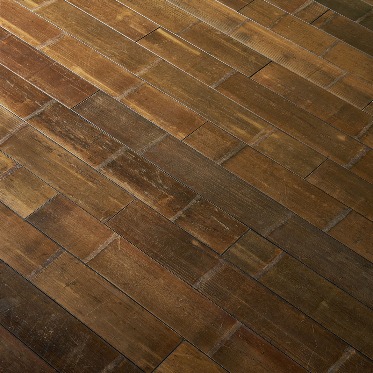
Beyond performance metrics, luxury resorts rely heavily on sensory atmosphere. Guests evaluate their stay based on visual harmony, natural light, and the quality of surrounding surfaces. Bamboo decking delivers a sophisticated natural timber grain with deep amber and espresso color tones that complement modern European architectural styles.
Seamless Indoor-Outdoor Design Transitions
Modern resort architecture frequently emphasizes open-concept designs where indoor lounges transition smoothly into outdoor terraces through large glass sliding walls. Because bamboo products are available for both interior flooring and exterior decking, architects can align plank dimensions, grain patterns, and visual tones between inside and outside spaces. This visual continuity expands the perceived size of hotel common areas, creating a unified architectural layout.
Natural Weathering Options
When exposed to direct sunlight over time, bamboo decking naturally matures into a subtle silver-grey patina, similar to weathered Teak. Many eco-resorts embrace this natural silver patina because it blends seamlessly into rugged coastal or mountain landscapes. Conversely, resorts that prefer to maintain the rich original dark brown timber tone can easily do so by applying a simple coat of pigmented exterior oil once every year or two during off-peak operational seasons.
Streamlined Installation and Low Maintenance Overhead
Operational efficiency is crucial for hotel management. Maintenance downtime directly impacts room availability and guest satisfaction, meaning outdoor surfaces must be fast to install and easy to maintain.
Hidden Clip Fastener Advantages
Commercial bamboo decking planks feature symmetrical side grooves designed for installation with concealed stainless steel clip systems. This method eliminates exposed top screws, creating a smooth, clean surface free of visible hardware. Hidden clips also allow individual boards to be unclipped and replaced quickly during routine resort maintenance without disrupting adjacent areas.
Simple Operational Maintenance
Keeping a commercial bamboo deck clean requires minimal specialized labor. Regular sweeping clears loose grit, while periodic washing with pH-neutral wood cleaner and water removes oil stains, food spills, and atmospheric dirt. Unlike softwoods that require frequent chemical treatments or thick paint sealers that crack and peel, bamboo decking maintains its physical integrity with simple penetrating oil applications.
Environmental Certifications and Carbon Sequestration
For European eco-resorts marketing their environmental responsibility, the carbon sequestration profile of bamboo offers a compelling story. Bamboo grows rapidly, absorbing substantial volumes of carbon dioxide during its growth cycle. When harvested responsibly at full maturity, the sequestered carbon remains permanently locked within the dense decking boards.
Leading manufacturers ensure their supply chains meet international forestry standards, offering materials certified under FSC (Forest Stewardship Council) guidelines. Integrating FSC-certified bamboo decking into resort construction projects contributes directly to earning valuable points toward LEED and BREEAM sustainable building accreditations.
Future-Proofing Hospitality Investments
Selecting building materials for luxury eco-resorts ultimately represents a balance between upfront investment and long-term value. While low-grade timber or cheap composite alternatives might offer lower initial material costs, their shorter lifespan, frequent maintenance requirements, and risk of surface failure quickly inflate operational expenses over time.
High-density exterior bamboo decking delivers a durable, elegant, and environmentally responsible surface solution that aligns with the values of modern European travelers and the performance needs of commercial hospitality operators. By investing in proven bamboo materials, resort owners protect their property aesthetics, lower long-term maintenance costs, and reinforce their commitment to sustainable tourism.
Bothbest is a professional factory and supplier of high-quality bamboo flooring and bamboo decking based in China. Specializing in durable strand woven and classic bamboo products, Bothbest provides reliable, eco-friendly surface solutions for residential and commercial architectural projects globally.